


From Desolation to Destination: The Rebirth of Fallout 76
The story of Fallout 76 is a chronicle of one of the most remarkable reversals in modern gaming. Its launch in 2018 is legendary, but not for reasons any developer desires. It arrived as a broken, lonely, and deeply flawed interpretation of the Fallout universe, a **live-service** experiment that seemed to misunderstand its own audience. Yet, the years that followed have not been a quiet demise, but a noisy, persistent, and triumphant act of rebuilding. The game's journey from pariah to a beloved, thriving world stands as the definitive case study in the redemption of a **live-service** title, proving that with sustained commitment, a vision can be realized long after its first, failed impression.
The initial model was stark. Appalachia was a beautiful but empty canvas, lacking the human NPCs that had always given the series its soul. The multiplayer focus felt tacked-on, bugs were rampant, and the endgame was a desolate grind. The "service" part of the live-service promise felt hollow. However, Bethesda's long-term strategy, while frustratingly slow for players, became its saving grace. Instead of abandoning the project, the developers embarked on a transparent, multi-year roadmap. They addressed catastrophic bugs, rebalanced entire systems, and, most importantly, listened to the community that had stubbornly refused to entirely leave. This ongoing dialogue became the foundation of the game's evolution.
The pivotal turning point was the *Wastelanders* update in 2020. This was not a simple patch; it was a fundamental course correction that addressed the core loneliness of the original experience. By introducing human NPCs with full dialogue trees and traditional questlines, it grafted a classic Fallout RPG skeleton onto the online world. Suddenly, Appalachia had characters with motives, humor, and stories. This was followed by *Steel Dawn*, further expanding the narrative. These updates signaled a crucial shift: the game would no longer be a pure survival simulator, but a hybrid—a shared world where you could experience a solo-friendly RPG narrative alongside other dwellers.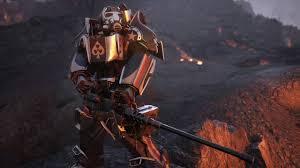
Concurrently, the live-service framework evolved from a source of frustration into a vehicle for consistent renewal. The introduction of the seasonal S.C.O.R.E. board and themed narrative seasons like *The Pitt* expedition provided structured, rewarding loops for both new and veteran players. Regular events, legendary crafting, and expansive new public activities like "Test Your Metal" ensured the world felt dynamic. The C.A.M.P. system flourished, allowing for incredible personal expression and fostering a player-driven economy. The service was now actively serving a clear, engaging purpose: providing a steady stream of novel content and quality-of-life improvements.
Today's Fallout 76 Items is almost unrecognizable from its original state. It is a bustling, social, and content-rich world that successfully blends solitary exploration with communal spectacle. Its redemption was neither quick nor easy, but it was comprehensive. It demonstrated that a live-service game's true launch is not a single day, but a continuous process. By embracing its identity as a perpetually evolving platform and prioritizing the restoration of player trust through concrete action, Fallout 76 accomplished the unthinkable: it turned a catastrophic first impression into a compelling, long-term destination. It is a testament to the idea that in the digital age, a game's beginning is not always its defining chapter.

 English
 Arabic
 Spanish
 Portuguese
 Deutsch
 Turkish
 Dutch
Dutch
 Italiano
 Russian
 Romaian
 Portuguese (Brazil)
 Greek
Greek