


The Intersection of Cleanliness and Breathability: Monitoring Indoor Air Quality KPIs through Professional Housekeeping
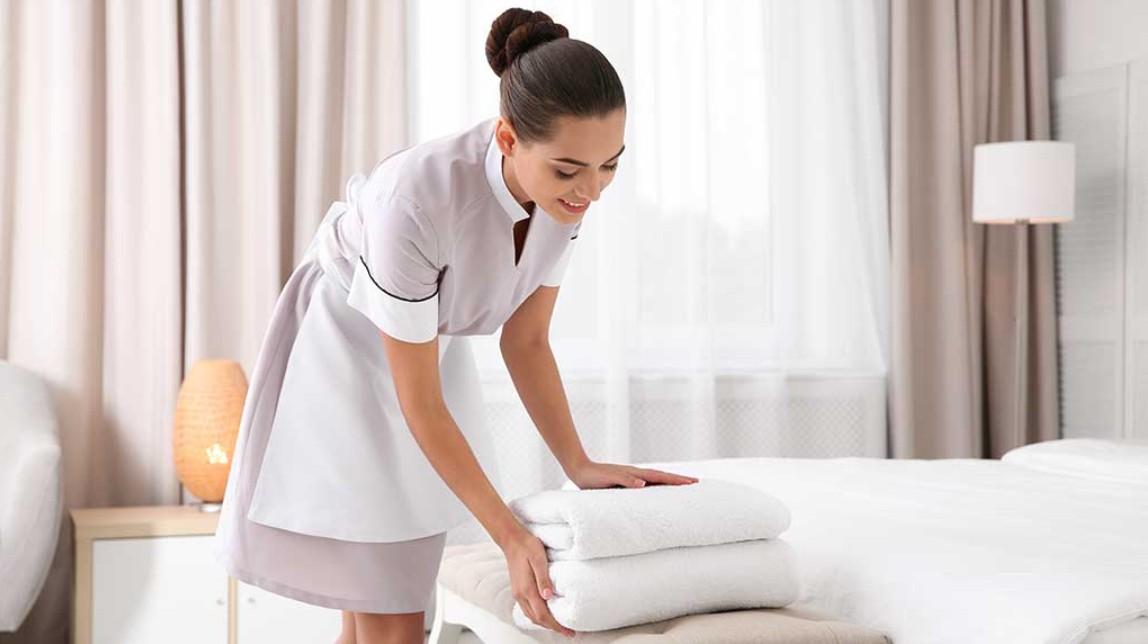
In the modern architectural landscape, we spend approximately 90% of our time indoors. Whether it is a corporate office, a luxury hotel, or a healthcare facility, the air we breathe is often more polluted than the air outside. While most facility managers focus on visible cleanliness—sparkling floors and dust-free surfaces—the invisible metrics of Indoor Air Quality (IAQ) are becoming the ultimate Key Performance Indicators (KPIs) for building health. Achieving excellence in these KPIs is not merely a matter of HVAC maintenance; it is deeply rooted in the protocols of a high-level housekeeping course. When housekeeping is treated as a technical discipline rather than a manual chore, the environment transforms into a sanctuary of wellness.
Understanding the Essential KPIs of Indoor Air Quality
To manage what we cannot see, we must first measure it. The primary KPIs for indoor air quality include Particulate Matter (PM2.5 and PM10), Volatile Organic Compounds (VOCs), Carbon Dioxide (CO2) levels, and humidity. High concentrations of PM2.5 are often the result of improper dusting techniques or the use of vacuums without HEPA filtration, which simply recirculate fine particles back into the breathing zone. VOCs, on the other hand, are frequently introduced by the very cleaning agents intended to sanitize the space. A sophisticated approach to housekeeping involves monitoring these levels to ensure that the "scent of clean" isn't actually a cocktail of harmful chemicals. By establishing a baseline for these pollutants, facilities can create a data-driven strategy to improve occupant health and cognitive performance.
The Role of Advanced Housekeeping in Particulate Mitigation
Particulate matter is perhaps the most visible enemy of air quality, yet it is often handled incorrectly. Traditional sweeping or dry dusting agitates dust, sending it airborne where it can remain for hours before settling again. Professional housekeeping protocols prioritize "wet cleaning" and specialized microfiber technology to trap particles rather than displace them. This is a core competency taught in a professional housekeeping course, where staff learn the science of surface tension and electrostatic attraction. By utilizing high-efficiency particulate air (HEPA) vacuums, housekeeping teams can effectively remove 99.97% of particles as small as 0.3 microns, directly impacting the IAQ KPIs. This shift from aesthetic cleaning to microscopic removal is what separates amateur maintenance from professional environmental management.
Eliminating VOCs through Green Chemistry and Protocol
One of the most paradoxical challenges in facility management is the introduction of Volatile Organic Compounds through cleaning supplies. Many industrial-grade cleaners contain ammonia, bleach, or synthetic fragrances that off-gas long after the janitorial shift has ended. These gases contribute to "Sick Building Syndrome," causing headaches and respiratory distress. To optimize IAQ KPIs, housekeeping departments must pivot toward green chemistry and fragrance-free alternatives. Understanding the pH scale and the chemical reactivity of various agents is crucial. When staff are trained through a comprehensive housekeeping course, they gain the knowledge required to select products that sanitize effectively without compromising the air. This technical expertise ensures that the chemical footprint of the cleaning process remains as low as possible.
Humidity Control and Mold Prevention Strategies
Humidity is a critical KPI that bridges the gap between comfort and health. If indoor humidity exceeds 60%, the environment becomes a breeding ground for mold, mildew, and dust mites—all of which are potent allergens. Housekeeping teams are the first line of defense in managing moisture. This involves more than just mopping; it includes the immediate reporting of leaks, the proper drying of carpets after extraction, and ensuring that restrooms are adequately ventilated during heavy cleaning cycles. A structured approach to moisture management is a hallmark of an elite housekeeping course. By maintaining the "dryness" KPI, housekeeping ensures that the air remains crisp and free of fungal spores, which is essential for preserving both the building's structural integrity and the health of its inhabitants.
Implementing a Data-Driven Housekeeping Schedule
The frequency and timing of cleaning interventions directly correlate with air quality fluctuations. For instance, high-traffic areas require more frequent HEPA vacuuming to prevent the "track-in" of outdoor pollutants. By aligning housekeeping schedules with IAQ monitoring data, managers can deploy resources where they are most needed. If CO2 sensors indicate high occupancy in a specific wing, increasing the cleaning frequency of high-touch surfaces and ensuring air vents are unobstructed becomes a priority. This level of strategic planning is often overlooked but is a vital component of a modern housekeeping course. Moving away from a static "one-size-fits-all" schedule toward a dynamic, KPI-responsive model allows for a more efficient use of labor while maximizing the freshness of the indoor environment.
The Human Element: Training for Environmental Stewardship
Ultimately, the success of any IAQ initiative rests on the shoulders of the frontline staff. They must understand that their role is not just to make a room look "neat," but to act as stewards of the environment. This shift in mindset requires a deep dive into the "why" behind every action—why a certain cloth is used, why a specific chemical dilution is necessary, and why ventilation is checked daily. Investing in a professional housekeeping course provides employees with the pride and technical skill set needed to execute these complex tasks. When housekeeping staff view themselves as "indoor air quality technicians," the quality of work rises, and the KPIs reflect a healthier, more productive space for everyone.
Future-Proofing Facilities through Integrated Wellness
As we look toward the future of building management, the integration of wellness and maintenance will only tighten. Occupants are more aware than ever of the air they breathe, and they are beginning to demand transparency in air quality metrics. Buildings that can demonstrate low PM levels and minimal VOCs through rigorous housekeeping will command higher value and foster greater loyalty. This journey begins with education. By putting teams through a rigorous housekeeping course, organizations ensure they are prepared for the high standards of tomorrow. Cleanliness is no longer a luxury or a background task; it is a measurable, vital component of public health that starts with a cloth, a vacuum, and a commitment to excellence in every breath taken indoors.

 English
 Arabic
 French
 Spanish
 Portuguese
 Deutsch
 Turkish
 Dutch
Dutch
 Italiano
 Romaian
 Portuguese (Brazil)
 Greek
Greek