


Moisture Meter | A Complete Guide to Accurate Moisture Measurement
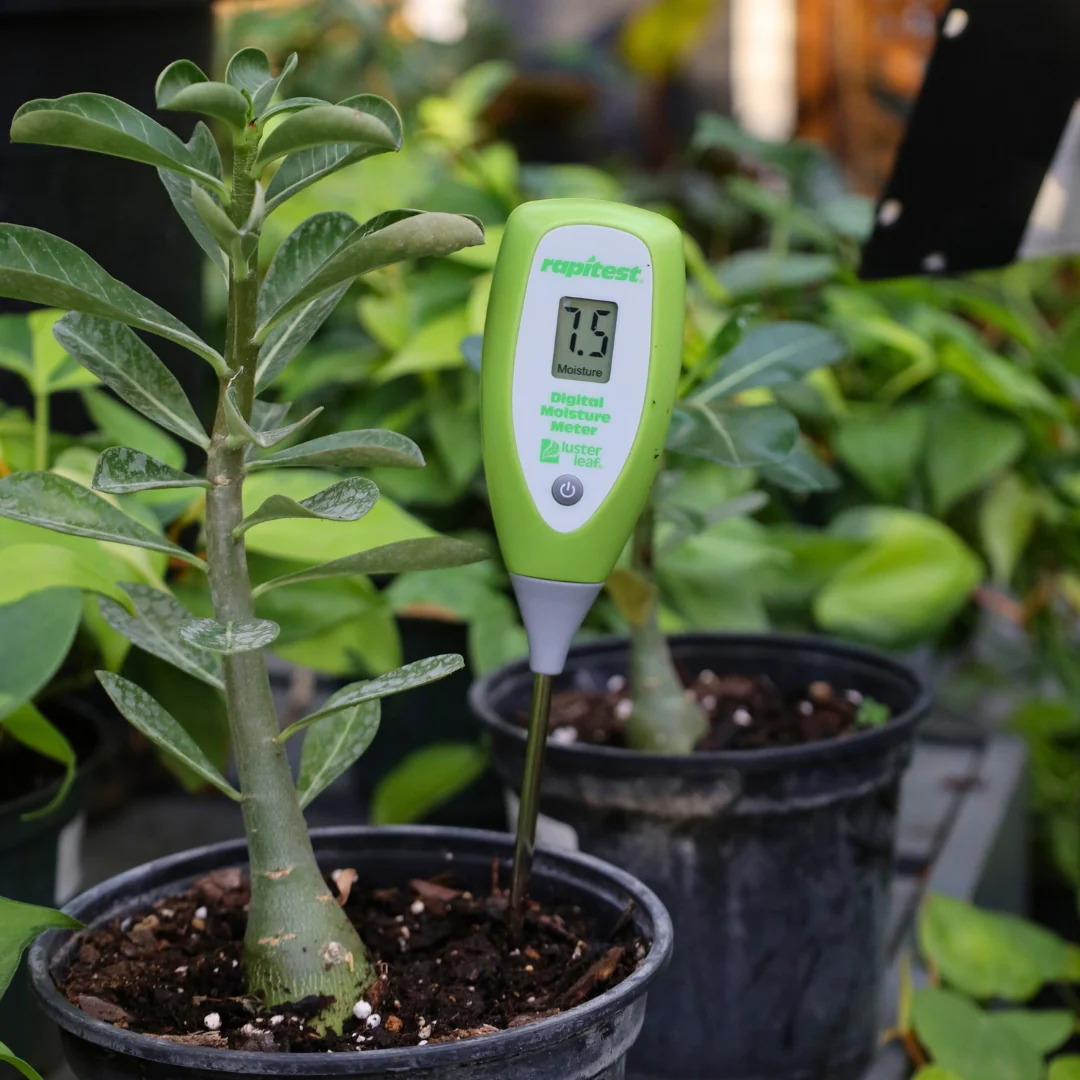
Moisture plays a critical role in the quality, safety, and durability of materials across many industries. From construction and agriculture to manufacturing and environmental monitoring, controlling moisture levels is essential to avoid damage, waste, and performance issues. Accurate measurement is the foundation of effective moisture control, and this is where a Moisture meter becomes an indispensable tool.
This detailed article explores how moisture measurement works, why it is important, and how modern devices help professionals make informed decisions. By understanding the principles, applications, and benefits of moisture measurement, businesses and individuals can improve outcomes and reduce costly risks.
Understanding Moisture and Its Impact
Moisture refers to the presence of water within a material or environment. While some level of moisture is natural and even necessary, excess moisture can cause serious problems. In building materials, it can lead to structural weakness, mold growth, and corrosion. In agricultural products, it can result in spoilage or reduced shelf life. In industrial processes, uncontrolled moisture can affect product consistency and system efficiency.
Because moisture is not always visible, relying on guesswork can be dangerous. Accurate measurement allows problems to be identified early, long before visible damage appears.
What Is a Moisture Meter and How Does It Work?
A moisture measuring device is designed to determine the water content within a specific material. It works by using electrical, electromagnetic, or thermal properties to detect how moisture affects the material being tested.
A Moisture meter typically provides readings as a percentage, parts per million, or relative scale, depending on the application. Some devices use pin-based sensors that penetrate the surface, while others use non-invasive technology to measure moisture without causing damage. The choice of method depends on the material, accuracy requirements, and working conditions.
Types of Moisture Measurement Technologies
Pin-Type Measurement
This method uses metal probes that are inserted into the material. Electrical resistance between the pins changes with moisture content, providing accurate readings for wood and similar materials.
Pinless Measurement
Non-invasive systems use electromagnetic waves to scan moisture levels beneath the surface. This approach is ideal for finished surfaces where damage must be avoided.
Specialized Industrial Sensors
In industrial settings, advanced sensors are integrated into production lines to provide continuous, real-time monitoring.
Each technology serves a specific purpose, and selecting the right method ensures reliable results.
Key Industries That Rely on Moisture Measurement
Construction and Building Maintenance
Moisture control is essential for ensuring the longevity of buildings. Measuring moisture in concrete, wood, and drywall helps prevent mold, decay, and structural issues.
Agriculture and Food Storage
Crop quality and storage stability depend heavily on moisture levels. Accurate measurement helps farmers determine harvest timing and storage conditions.
Manufacturing and Processing
Many production processes require strict moisture control to maintain product quality and reduce defects.
Environmental and Research Applications
Moisture data supports environmental monitoring, soil analysis, and scientific research where precision is critical.
In all these sectors, a Moisture meter supports better decision-making and risk management.
Benefits of Using Accurate Moisture Measurement Tools
Prevention of Material Damage
Early detection of excess moisture helps prevent long-term deterioration and costly repairs.
Improved Product Quality
Consistent moisture levels contribute to uniformity and reliability in manufactured goods.
Cost Efficiency
Avoiding moisture-related failures reduces waste, downtime, and maintenance expenses.
Data-Driven Decisions
Accurate readings provide confidence when approving materials, processes, or construction stages.
These advantages highlight why moisture measurement is a standard practice in professional environments.
How to Choose the Right Device for Your Needs
Selecting the appropriate tool depends on several factors. The type of material being tested, required accuracy, depth of measurement, and environmental conditions all play a role. Ease of use, durability, and calibration options should also be considered.
A well-chosen Moisture meter not only delivers accurate readings but also integrates smoothly into daily workflows, saving time and effort.
Calibration and Maintenance Best Practices
Regular calibration ensures consistent accuracy over time. Environmental factors, sensor wear, and usage frequency can all affect performance. Following manufacturer guidelines for calibration and storage helps maintain reliability.
Routine inspection and proper handling extend the lifespan of the device and ensure dependable measurements when they matter most.
Challenges in Moisture Measurement
Despite technological advances, moisture measurement can still be influenced by temperature, material density, and surface conditions. Understanding these variables allows users to interpret readings correctly and avoid misjudgments.
Training and experience play an important role in achieving accurate results, especially in complex or high-stakes applications.
Future Trends in Moisture Measurement Technology
As digital transformation continues, moisture measurement tools are becoming smarter and more connected. Wireless data transfer, cloud-based reporting, and automated alerts are increasingly common. These innovations allow for real-time monitoring and predictive maintenance, further reducing risks associated with moisture.
The evolution of sensor technology will continue to enhance accuracy, usability, and integration across industries.
Conclusion
Moisture control is a critical factor in protecting materials, ensuring quality, and maintaining operational efficiency. Accurate measurement provides the insight needed to prevent damage and make informed decisions across a wide range of applications.
By using a reliable Moisture meter, professionals can detect hidden moisture issues, improve product consistency, and reduce long-term costs. As technology advances, moisture measurement will remain a cornerstone of quality assurance and risk prevention in both industrial and everyday environments.

 English
 Arabic
 French
 Portuguese
 Deutsch
 Turkish
 Dutch
Dutch
 Italiano
 Russian
 Romaian
 Portuguese (Brazil)
 Greek
Greek