


Is Your Home Being Watched the Smart Way?
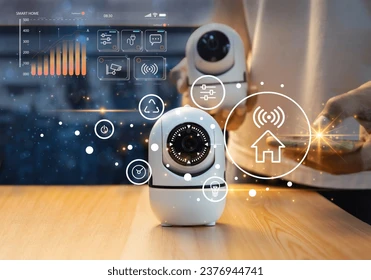
Home security has entered a new era. Gone are the days when protection meant a basic alarm system and a “beware of dog” sign. Today, technology has transformed how homeowners monitor and protect their spaces. This shift leads to an important question: is your home being watched the smart way?
Smart security cameras and connected surveillance systems are redefining what it means to feel safe at home. They offer real-time visibility, intelligent alerts, and remote access that traditional security solutions simply cannot provide. Understanding what “smart watching” really means can help you decide whether your home security is keeping up with modern standards.
What Does “Smart” Home Monitoring Really Mean?
Smart home monitoring goes beyond simple video recording. It combines internet connectivity, artificial intelligence, and automation to create an active and responsive security system.
Instead of just capturing footage, smart security cameras analyze what they see, notify homeowners instantly, and integrate with other smart devices. This proactive approach is what separates smart monitoring from traditional surveillance.
The Evolution of Home Surveillance
From Passive Recording to Active Protection
Traditional security cameras were passive tools. They recorded footage continuously or when motion was detected, leaving homeowners to review hours of video after an incident occurred.
Smart security cameras change this model entirely. They actively monitor your home and alert you the moment something unusual happens. This real-time awareness makes home protection faster, more effective, and less stressful.
Designed for Modern Lifestyles
Modern lifestyles are mobile and fast-paced. People travel more, work remotely, and rely heavily on online deliveries. Smart monitoring solutions are designed to match these habits by offering remote access and instant updates.
Whether you’re at work, on vacation, or just out for the evening, smart security cameras keep you connected to your home at all times.
How Smart Security Cameras Watch Your Home
Real-Time Video Access
One of the most valuable features of smart home monitoring is live video streaming. With a smartphone or tablet, homeowners can see exactly what’s happening in and around their home.
This immediate access eliminates uncertainty and provides reassurance, especially during alerts or unexpected activity.
Intelligent Motion Detection
Smart security cameras use artificial intelligence to detect and analyze motion. Instead of reacting to every movement, they can identify people, animals, vehicles, and environmental changes.
This intelligence reduces false alarms and ensures alerts are meaningful. A smart system knows the difference between a passing car and a person approaching your front door.
Instant Alerts with Visual Context
When smart cameras detect activity, they send instant notifications along with video clips or live feed access. This visual context helps homeowners make informed decisions quickly.
Knowing what triggered an alert allows you to respond appropriately, whether it’s ignoring harmless activity or taking immediate action.
Is Smart Monitoring Better Than Traditional Security?
Awareness vs Reaction
Traditional security systems often rely on alarms that activate after a breach occurs. While alarms are important, they typically provide limited information.
Smart monitoring emphasizes awareness. Instead of reacting after something happens, you’re informed while it’s happening. This shift from reaction to awareness is a key advantage of smart security cameras.
Evidence and Accountability
Smart cameras provide high-quality video evidence that can be crucial in investigations and insurance claims. Clear footage with timestamps adds accountability and transparency.
Traditional systems rarely offer this level of detailed documentation.
The Role of Artificial Intelligence in Smart Watching
Smarter Alerts, Less Noise
Artificial intelligence allows smart cameras to filter alerts based on relevance. This prevents notification overload and ensures homeowners pay attention to what truly matters.
By learning activity patterns, smart systems can even adjust sensitivity based on time of day or routine behavior.
Facial Recognition and Familiarity
Some advanced smart security cameras can recognize familiar faces. This allows the system to notify you when someone unfamiliar appears while ignoring known household members.
This personalized approach makes smart monitoring more precise and user-friendly.
Indoor and Outdoor Smart Monitoring
Smart Indoor Surveillance
Indoor smart cameras help monitor daily activity inside the home. They are commonly used to keep an eye on entryways, children, elderly family members, or pets.
Features like two-way audio allow homeowners to communicate through the camera, adding convenience and reassurance.
Smart Outdoor Surveillance
Outdoor smart security cameras focus on perimeter protection. They are built to withstand weather conditions and provide advanced night vision and wide-angle coverage.
Placing outdoor cameras at entrances, driveways, and backyards creates a strong first line of defense and enhances overall home security.
Smart Monitoring and Crime Prevention
Deterrence Through Visibility
Homes with visible smart security cameras are less attractive to potential intruders. Criminals are more likely to avoid properties where they can be identified and recorded.
Some smart cameras include built-in lights or sirens that activate automatically, making the home appear actively monitored.
Faster Response Times
Smart monitoring reduces the time between detection and response. Immediate alerts allow homeowners to check live footage, contact authorities, or warn intruders using two-way audio.
This rapid response can prevent crimes from escalating and minimize damage.
Privacy and Control in Smart Home Watching
Custom Privacy Settings
A common concern about smart monitoring is privacy. Modern smart security cameras offer privacy controls such as privacy zones, scheduled recording, and manual activation.
These features allow homeowners to control what is recorded and when, balancing security with personal comfort.
Data Security and Encryption
Smart home monitoring systems prioritize data protection. Reputable brands use encryption and secure cloud storage to protect user information.
Regular software updates help keep systems secure against digital threats, making smart watching safer than many people realize.
Is Your Home Being Watched the Smart Way?
Signs Your Security Is Smart
Your home is being watched the smart way if:
-
You can view live footage remotely
-
Alerts provide visual context and relevance
-
The system reduces false alarms
-
Cameras integrate with other smart devices
-
You have full control over privacy and settings
If your security system lacks these features, it may not be keeping up with modern standards.
Adapting to the Future of Home Security
Smart home monitoring is quickly becoming the norm rather than the exception. As technology advances, homeowners expect greater control, intelligence, and convenience from their security systems.
Upgrading to smart surveillance is not just about technology—it’s about peace of mind and proactive protection.
Final Thoughts
So, is your home being watched the smart way? Smart security cameras and intelligent monitoring systems offer a level of awareness and control that traditional solutions cannot match.
They don’t just watch your home—they understand what’s happening, alert you instantly, and help you respond with confidence. In today’s connected world, smart monitoring is no longer a luxury. It’s a smarter, safer way to protect what matters most.

 English
 Arabic
 French
 Portuguese
 Deutsch
 Turkish
 Dutch
Dutch
 Italiano
 Russian
 Romaian
 Portuguese (Brazil)
 Greek
Greek