


How Read Speed and Memory Capacity Affect Results from a PIT Tag Reader
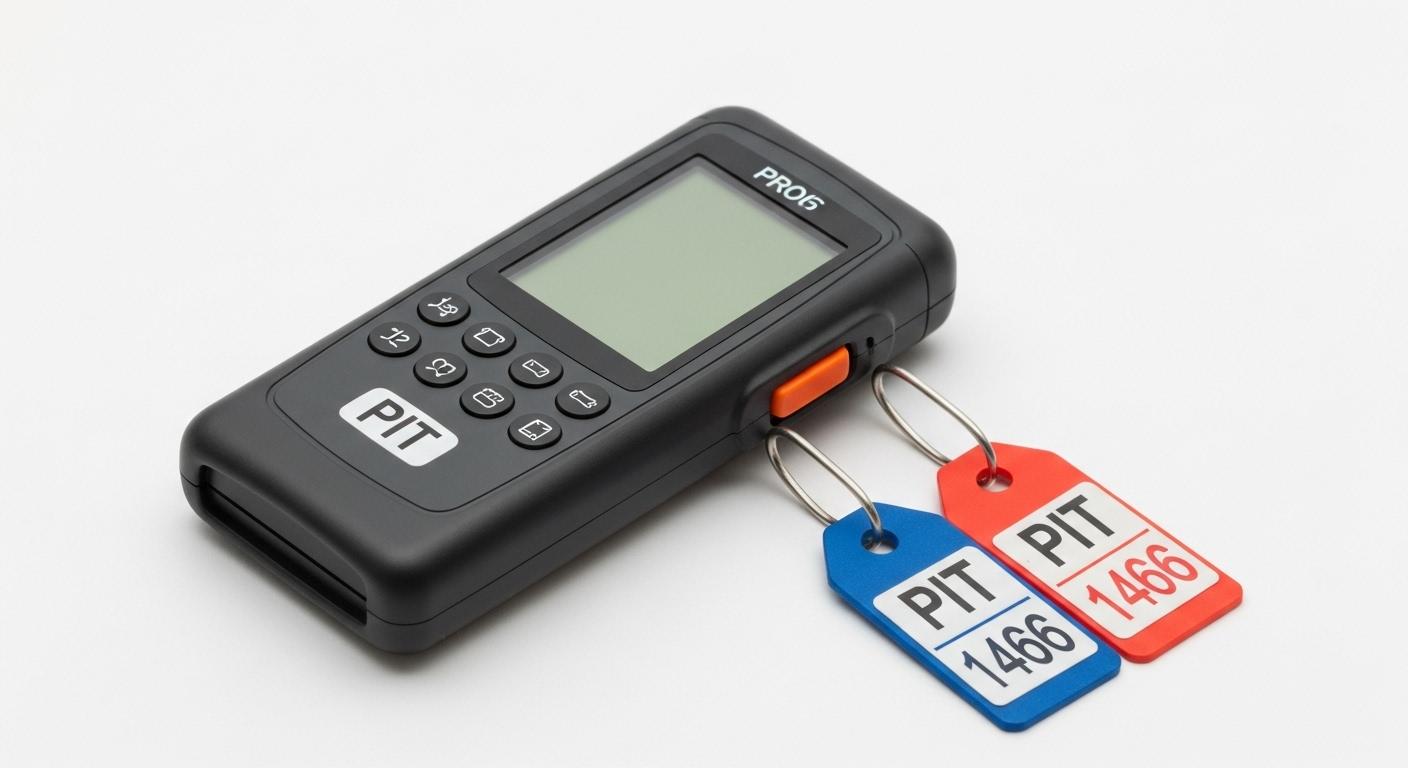
Field biologists deploying passive monitoring systems often underestimate how technical specifications like interrogation speed and data storage capacity fundamentally shape the quality and completeness of datasets collected over multi-year studies. These seemingly abstract hardware characteristics directly determine whether monitoring installations capture complete passage records during peak migration periods or suffer systematic data gaps that introduce undetectable biases into population analyses.
A pit tag reader encountering more tagged animals per unit time than its processing capacity can handle inevitably misses detections, creating density-dependent detection biases that violate statistical assumptions underlying mark-recapture models. Similarly, readers with insufficient memory storage risk catastrophic data loss when buffer overflow occurs before scheduled maintenance visits. Understanding these technical constraints enables researchers to specify appropriate equipment and configure systems to maximize data completeness.
The consequences of inadequate read speed or memory capacity extend beyond simple data quantity—they create subtle systematic biases that can persist undetected through entire research programs, fundamentally compromising scientific conclusions and management recommendations. Selecting appropriately capable pit tag reader equipment matched to deployment conditions ensures that monitoring infrastructure delivers the complete, unbiased datasets research applications demand.
Read Speed Fundamentals and Performance Metrics
Interrogation speed determines the temporal resolution at which readers detect transponders and the maximum tag density systems can process without missed detections.
Complete Read Cycle Duration
A full interrogation cycle encompasses multiple distinct phases: energizing the electromagnetic field, allowing tag capacitors to charge, transmitting the interrogation signal, receiving the tag's modulated response, error-checking the decoded identification code, and logging the detection. Total cycle duration varies from 15-150 milliseconds depending on reader design, tag type, and communication protocol complexity.
Faster cycle times enable more interrogations per second, increasing the probability of detecting rapidly passing tags. Research published in Transactions of the American Fisheries Society found that readers completing cycles in 20 milliseconds achieved 97% detection efficiency for salmon swimming at 2.5 meters per second through 40cm detection zones, while 80-millisecond readers detected only 84% under identical conditions.
The pit tag reader completing more interrogation cycles during an animal's brief transit through the detection field accumulates multiple read opportunities, compensating for momentary signal interference, unfavorable tag orientations, or electromagnetic noise that might prevent detection on any single interrogation attempt.
Maximum Sustainable Tag Rate
Reader specifications often cite maximum tag read rates—the theoretical number of unique tags the system can process per second under optimal laboratory conditions. However, field performance under real-world conditions typically achieves 60-75% of laboratory maximums due to electromagnetic interference, non-ideal tag orientations, and processing overhead from data logging and communications.
A reader specified at 200 tags per second maximum rate realistically processes 120-150 tags per second during field deployment. Understanding this performance gap prevents over-reliance on manufacturer specifications when designing monitoring systems for high-traffic locations. Collaborative planning with experienced suppliers like VodaIQ helps researchers translate laboratory specifications into realistic field performance expectations.
Collision Effects in High-Density Situations
When multiple tagged animals occupy the detection field simultaneously, electromagnetic signal collisions can prevent readers from successfully decoding individual tag codes.
Anti-Collision Algorithm Sophistication
Basic pit tag reader systems employ simple time-division protocols that work well when tags arrive sequentially but struggle with simultaneous presence. When two tags respond to an interrogation signal simultaneously, their modulated signals interfere, producing corrupted data the reader cannot decode. Basic systems simply retry the interrogation, hoping tags will respond at different times during subsequent cycles.
Advanced readers implement sophisticated anti-collision algorithms using binary tree protocols, slotted random access, or adaptive query strategies that systematically resolve collisions. Testing comparing anti-collision performance found that basic readers required an average of 7.3 interrogation cycles to successfully read two simultaneously present tags, while advanced algorithms resolved the collision in 2.1 cycles—a 3.5× efficiency improvement.
For monitoring locations where schooling fish create frequent multi-tag situations, anti-collision capability dramatically affects detection completeness. Studies on dense herring schools containing 30-40% tagged individuals found that advanced anti-collision systems maintained 91% individual detection probability, compared to 67% for basic systems—a critical performance difference for population studies.
Detection Probability Density Dependence
As tagged animal density increases, collision frequency rises non-linearly, creating density-dependent detection biases that compromise mark-recapture analyses assuming constant detection probability. A pit tag reader detecting 95% of tags passing individually but only 78% when five tags transit simultaneously creates systematic underestimation of abundance during peak passage periods.
Simulation modeling examining detection bias impacts found that unaccounted density-dependent detection created 12-18% underestimation of total population size in systems where passage rates varied from sparse early-season migrants to dense mid-season peaks. Researchers must either deploy readers with anti-collision capabilities matching peak densities or develop statistical methods correcting for density-dependent detection when analyzing data.
Memory Architecture and Storage Management
How readers organize, compress, and manage stored detection data determines autonomous operation duration and data accessibility during deployments.
Flash Memory Configuration
Modern pit tag reader systems use NAND flash memory similar to solid-state drives, offering high capacity, low power consumption, and long-term data retention without power. Memory organization affects write speed, wear leveling (distributing writes across memory cells to extend lifespan), and data integrity.
High-quality readers implement wear-leveling algorithms ensuring no individual memory sector receives disproportionate write cycles that would cause premature failure. Testing flash memory longevity under continuous write conditions found that readers with wear-leveling achieved >100,000 write cycles before first failures, compared to 15,000-30,000 cycles for unmanaged memory—representing 3-7× lifespan extension.
For high-traffic monitoring sites recording hundreds of thousands of annual detections, memory management directly affects equipment service life and data integrity over multi-year deployments.
Data Compression Strategies
Detection records contain substantial redundancy—repeated tag codes from the same individual passing multiple times, repetitive antenna identifiers, and predictable timestamp sequences. Intelligent compression algorithms exploit these patterns to multiply effective storage capacity.
Research comparing compression approaches found that sophisticated algorithms reduced storage requirements by 60-75% compared to uncompressed logging without information loss. A 1 GB pit tag reader using effective compression stores equivalent detection records to a 3-4 GB uncompressed system, substantially reducing hardware costs for equivalent deployment duration.
However, compression requires processing overhead that can slow data logging rates. Readers must balance compression efficiency against real-time logging performance to prevent buffer overflow during peak detection periods.
Buffer Management During Peak Events
Temporary data buffers enable readers to maintain performance during brief periods when detection rates exceed sustained logging speeds, but buffer exhaustion leads to data loss.
Buffer Overflow Prevention
A pit tag reader encountering detection rates exceeding its sustained logging capability can temporarily store excess detections in RAM buffers while background processes write accumulated data to flash memory. Buffer size determines how long the system tolerates above-capacity detection rates before data loss occurs.
Readers with 128 KB RAM buffers store approximately 3,200-6,400 detections (depending on record structure) before overflow, while 1 MB buffers accommodate 25,000-50,000 detections. During extreme passage events—thousands of fish transiting in brief periods—adequate buffering prevents data loss during intense but temporally limited peaks.
Field data from Columbia River monitoring documented passage bursts reaching 2,400 tagged fish per hour during peak Chinook migration. Readers with small buffers (256 KB) showed evidence of detection loss during these periods, while 1 MB+ buffer systems maintained complete detection records through equivalent events.
Prioritization Algorithms
When buffer capacity approaches limits, intelligent systems prioritize novel detections over redundant reads of recently detected tags. If a salmon triggers 15 detections during passage through an extended antenna field, recording the first and last detections captures essential passage timing while allowing intermediate redundant reads to be discarded if necessary to prevent losing detections of additional unique individuals.
This selective logging maintains population-level data completeness (all unique individuals detected) while accepting reduced within-passage temporal resolution during extreme overflow situations. Pit tag reader systems implementing intelligent prioritization maintained unique fish detection rates >98% during simulated overflow conditions, compared to random data loss affecting 8-12% of unique individuals in systems without prioritization.
Remote Access and Memory Management
How researchers retrieve stored detection data affects operational efficiency and data security in multi-site monitoring networks.
Wireless Data Extraction
Traditional memory management requires periodic site visits to physically download accumulated data via cable connections—a labor-intensive approach that becomes costly for remote installations. Readers with wireless connectivity enable remote data retrieval, reducing field visit frequency and enabling more frequent data backup reducing loss risks.
Economic analysis comparing wireless-enabled versus wired-only readers across 15 remote monitoring sites found that cellular data transmission capabilities reduced annual field visit requirements from 12 to 3 visits per site, saving $5,400 annually in travel costs—recovering the $1,200 wireless connectivity premium within 3 months of deployment.
Beyond economics, wireless access enables real-time detection monitoring, immediate equipment malfunction alerts, and adaptive research responses impossible with monthly data retrieval schedules. Research programs studying migration timing relative to environmental conditions require near-real-time data access that wired-only pit tag reader configurations cannot support.
Automated Data Backup Protocols
Memory failures, though rare in quality systems, can destroy months of irreplaceable data. Readers supporting automated remote backup create redundant data copies protecting against catastrophic loss. Systems transmitting detections hourly to cloud storage ensure that equipment failure results in maximum 1-hour data loss rather than complete seasonal dataset destruction.
A monitoring program experiencing reader failure during mid-season peak migration lost 47,000 detections representing 6 weeks of data collection with a wired-only system lacking backup. Following this costly failure, the program upgraded to readers with automatic cloud backup—an investment that proved invaluable when lightning strikes destroyed two readers the following season with zero data loss due to current backup copies.
Calibration and Performance Monitoring
Pit tag reader performance can degrade over time due to component aging, environmental exposure, or configuration drift, making ongoing performance validation essential.
Read Speed Benchmarking
Deploying test tags at known distances and passage speeds enables periodic verification that interrogation performance remains within specifications. Automated benchmark routines cycling test tags through detection fields at controlled speeds document whether the system maintains advertised read rates or shows degraded performance requiring maintenance.
Systematic benchmarking across 42 monitoring sites revealed that 14% showed measurable performance degradation over 3-year periods—reduced read speeds resulting from antenna fouling, connector corrosion, or electronic component drift. Early detection through benchmarking enabled corrective maintenance before degradation significantly impacted detection efficiency.
Memory Integrity Testing
Flash memory can develop bad sectors over time, particularly in systems experiencing extreme temperature cycling or high write frequency. Periodic memory integrity tests verify that storage systems remain reliable and identify developing problems before they cause data corruption or loss.
Testing protocols running comprehensive memory diagnostics during low-activity periods (winter for temperate-zone fish programs) provide maintenance windows for addressing detected issues. Programs implementing quarterly memory testing documented that early problem detection enabled corrective action preventing 7 complete memory failures over 5-year monitoring periods across 28 reader deployments.
Optimizing Configuration for Study Requirements
Matching pit tag reader capabilities to specific research needs prevents both over-specification that wastes resources and under-specification that compromises data quality.
Seasonal Passage Pattern Analysis
Historical passage data or pilot studies reveal temporal detection patterns informing reader specification. Systems monitoring species with brief, intense migration runs require higher performance than those tracking year-round resident populations with distributed detection events.
Analyzing 8 years of steelhead passage data revealed 85% of annual detections occurred during 6-week spring migration windows with peak rates reaching 1,200 fish per hour. This pattern justified investing in high-speed readers (200+ tags/second) with large buffers despite representing cost premiums over basic systems adequate for the low-density 80% of the year.
Multi-Site Network Coordination
Large monitoring networks benefit from standardizing on capable readers across all sites even when some locations have modest individual requirements. Standardization simplifies spare parts inventory, technician training, data management workflows, and analytical protocols even if some sites could function adequately with lower-specification equipment.
A 25-site monitoring network calculated that standardizing on mid-range specifications across all installations, despite 9 sites having performance requirements met by basic readers, reduced total 10-year program costs by 18% through operational efficiencies outweighing the 12% higher initial equipment costs from over-specifying some sites.
Conclusion
Read speed and memory capacity represent fundamental pit tag reader specifications that directly determine data completeness, detection bias patterns, deployment autonomy, and long-term reliability. Understanding how these technical characteristics affect field performance enables researchers to specify equipment appropriately matched to study requirements.
Under-specification creates systematic data gaps during peak activity periods, density-dependent detection biases, and risks catastrophic data loss from memory exhaustion. Over-specification wastes limited research funding on unnecessary capability. The optimal approach involves careful analysis of expected detection patterns, peak event intensities, and deployment duration requirements to identify minimum adequate specifications with appropriate safety margins.
Researchers should evaluate not just nominal specifications but real-world performance under field conditions, anti-collision capabilities for multi-tag situations, memory management sophistication, buffer capacity for peak events, and remote access capabilities enabling efficient data management. This comprehensive technical evaluation, combined with economic analysis of total ownership costs, enables equipment investments that deliver complete, unbiased datasets supporting rigorous scientific analyses throughout multi-year monitoring programs.

 Arabic
 French
 Spanish
 Portuguese
 Deutsch
 Turkish
 Dutch
Dutch
 Italiano
 Russian
 Romaian
 Portuguese (Brazil)
 Greek
Greek