


How Field Efficiency Improves with the Right Tag Reader Technology
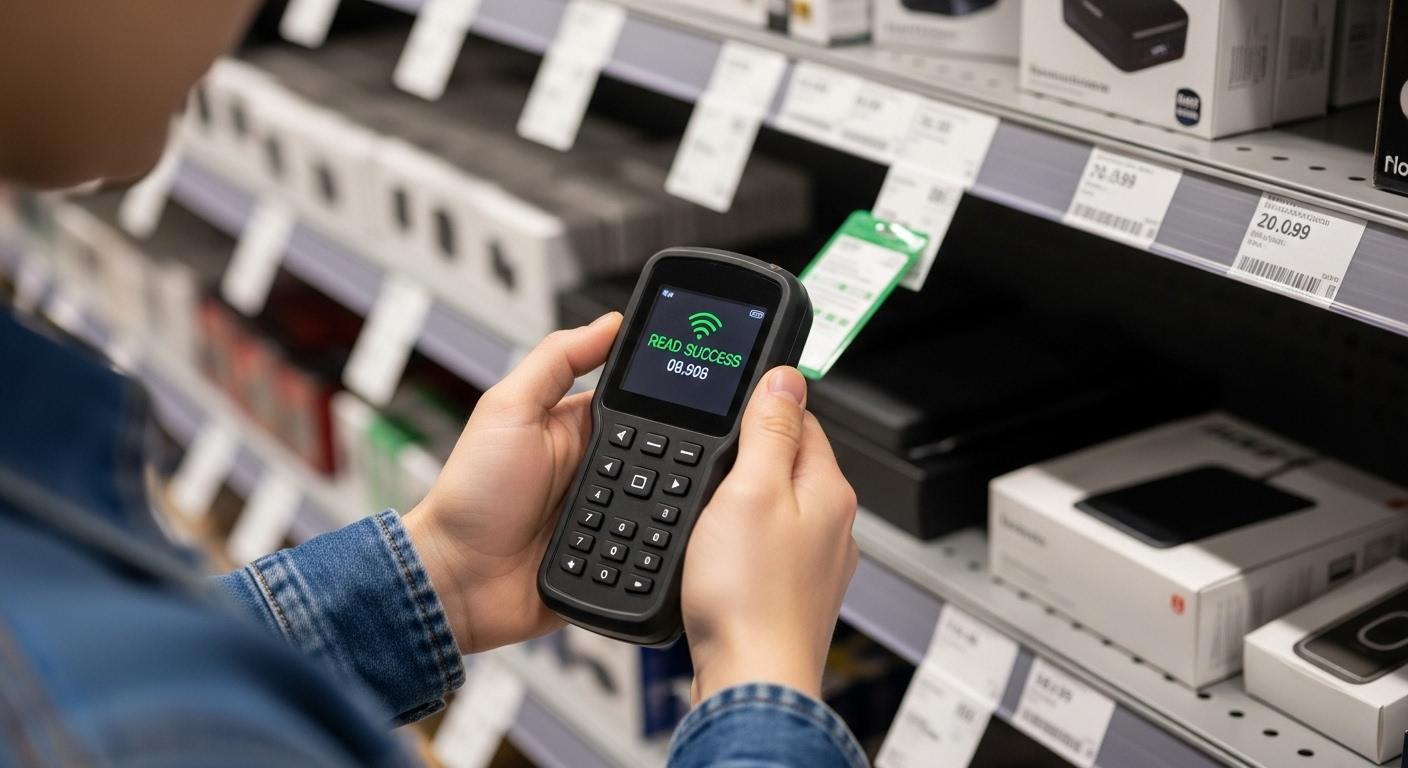
Field research demands efficiency. Whether monitoring endangered species populations, assessing fisheries recruitment, or tracking wildlife movements, researchers face constant pressure to maximize data collection while minimizing time, labor, and costs. Every minute spent troubleshooting equipment, every missed detection due to inadequate read range, and every data entry error represents wasted resources and potentially compromised research outcomes.
The detection equipment researchers choose fundamentally shapes field operation efficiency. Modern tag reader technology for wildlife monitoring has evolved to address the practical challenges field biologists encounter daily—from rugged construction withstanding harsh environments to intuitive interfaces minimizing training requirements. Understanding how reader characteristics impact field efficiency enables researchers to select equipment optimizing their specific operational contexts, ultimately collecting better data with fewer resources.
Read Range and Detection Reliability
Perhaps no single reader specification affects field efficiency more directly than read range—the maximum distance at which a reader reliably detects tags. Insufficient read range forces researchers to position readers uncomfortably close to animals, increasing handling stress and time. In automated detection systems, inadequate range causes missed detections, compromising data completeness.
Read range depends on multiple interacting factors: reader power output, antenna size and design, tag size and orientation, and environmental interference. Quality readers optimize these parameters, achieving maximum detection distance while maintaining reliability. A reader detecting 12mm tags at 40cm versus 25cm may seem marginally better, but that 15cm difference translates to substantially faster processing when scanning hundreds of fish daily.
Field conditions often deviate from manufacturer specifications based on ideal laboratory settings. Water conductivity, particularly in saline environments, attenuates electromagnetic fields, reducing effective range. Metal structures near antennas create interference patterns. Tag orientation within the animal's body affects signal transmission—tags parallel to antenna coils couple more effectively than perpendicular tags. Readers with robust signal processing maintain detection reliability despite these real-world complications, while inferior units produce inconsistent results forcing repeated scanning and slowing operations.
Detection reliability matters equally. A reader that detects every tag on the first pass enables smooth workflow. One requiring multiple scan attempts, repositioning, or tag location palpation wastes time and increases animal handling stress. Studies comparing reader performance document that detection probability differences of even 5-10% compound dramatically across large sample sizes—potentially hundreds of additional handling minutes per field day.
Portability and Ergonomics
Field researchers operate in diverse environments demanding equipment portability. Handheld readers enable rapid scanning of fish in holding tanks, streamside processing of captured individuals, or mobile surveys across extensive areas. The physical design of these units directly impacts user fatigue and operational efficiency.
Weight distribution proves critical for units operated continuously. A poorly balanced 2kg reader becomes exhausting to hold after scanning dozens of fish. Well-engineered units distribute weight to minimize wrist strain, incorporate comfortable grips, and position displays for easy viewing without awkward hand positions. These ergonomic considerations may seem minor but accumulate significantly during extended field sessions.
Battery life determines operational duration between recharging. Readers requiring frequent battery changes interrupt workflow and risk running out of power mid-session. Modern units achieving 8-12 hour operation on single charges enable full field days without power concerns. Some systems accept standard replaceable batteries—enabling field battery swaps using spare packs—while others require returning to base for recharging, potentially limiting deployment options.
Durability influences portability differently. Lightweight readers prove easier to carry but may sacrifice ruggedness. VodaIQ equipment balances these considerations, constructing portable units with protective housing withstanding drops, water exposure, and rough handling inevitable in field conditions. IP67 or IP68 waterproof ratings ensure functionality despite rain, spray, or temporary submersion—critical for aquatic research where water exposure is inevitable.
Data Management and Integration
Efficient field operations extend beyond detection to include data recording and management. Modern tag reader systems integrate data storage, logging, and transfer capabilities that streamline information flow from field to analysis.
Onboard memory capacity determines how many detections readers store before requiring data download. Inadequate storage forces frequent downloads, interrupting field work. Readers storing thousands of detections with associated metadata—timestamp, location coordinates, operator notes—enable extended deployments without data management interruptions.
User interface design affects data entry efficiency. Intuitive menu systems minimize training time and reduce operator errors. Touch screens enable rapid navigation though may prove problematic in wet conditions or when wearing gloves. Physical buttons offer reliability in harsh conditions but may require more complex navigation sequences. The optimal interface depends on specific operational contexts—wet environments favor button controls, while laboratory settings benefit from touch screen flexibility.
Data export capabilities determine integration ease with analytical workflows. Readers outputting data in standard formats (CSV, Excel) enable direct import into statistical software. Proprietary formats require conversion steps, introducing potential errors and delays. Wireless data transfer—via Bluetooth, WiFi, or cellular connections—enables real-time data backup and sharing, though reliability depends on connectivity availability in often-remote field locations.
Automated Detection Systems
Stationary detection systems monitoring fish passages, wildlife movements, or migration corridors represent a distinct reader category optimizing different efficiency parameters. These installations operate continuously, unattended, requiring reliability and autonomous operation rather than portability.
Power requirements shape deployment options. Solar-powered systems enable remote installations without electrical infrastructure, critical for monitoring isolated stream reaches or wildlife corridors. Battery-backed units provide operational continuity during power interruptions. Power consumption efficiency determines how large solar panels or battery banks must be—more efficient readers reduce infrastructure size, cost, and maintenance requirements.
Environmental protection becomes paramount for permanent installations exposed to weather extremes, temperature fluctuations, and potentially corrosive conditions. Robust enclosures maintaining functionality through winter freezing, summer heat, humidity, dust, and precipitation ensure data collection continues regardless of conditions. Waterproof antenna cables, sealed connection points, and corrosion-resistant materials prevent failures requiring costly field visits for repairs.
Data storage and telemetry capabilities determine monitoring continuity and data security. Onboard storage buffering several months of detections protects against data loss if telemetry fails. Cellular or satellite telemetry enables remote data retrieval, system diagnostics, and even configuration adjustments without field visits. Cloud-based platforms receiving real-time uploads provide immediate data access and automatic backup, dramatically improving data security and enabling near-real-time analysis.
Maintenance Requirements and Reliability
Equipment reliability directly impacts field efficiency through both performance consistency and maintenance demands. Tag reader units requiring frequent calibration, component replacement, or troubleshooting consume time and resources while potentially compromising data continuity.
Quality readers employ robust components tolerating environmental stresses without degradation. Solid-state electronics, sealed connectors, and corrosion-resistant materials minimize failure modes. Readers surviving years of field use without performance decline represent far better investments than superficially less expensive units requiring replacement every season.
Calibration requirements affect operational overhead. Readers maintaining accuracy without frequent recalibration reduce workload and minimize opportunities for user error. Those requiring regular calibration against reference tags before each field session introduce additional procedural steps and potential calibration errors affecting data accuracy.
Serviceability matters when issues do arise. Modular designs enabling field replacement of antennas, batteries, or other components minimize downtime. Units requiring return to manufacturers for any malfunction may remain out of service for weeks, potentially missing critical sampling windows. Local service availability, warranty terms, and manufacturer responsiveness influence total cost of ownership beyond initial purchase price.
Multi-Tag Reading and Processing Speed
Research contexts involving dense tag populations—such as scanning holding tanks containing hundreds of tagged fish—demand readers capable of rapidly identifying multiple tags without confusion. Anti-collision protocols enable readers to detect and identify multiple tags within the read field simultaneously, sequentially processing each unique code.
Processing speed determines throughput rates. Readers completing tag reads in 0.2 seconds enable substantially faster operations than those requiring 1-2 seconds per tag. When scanning large samples, these differences compound—processing 500 fish takes under 2 minutes with fast readers versus 15+ minutes with slower units, dramatically affecting daily sample sizes achievable within time and budget constraints.
Some applications require readers to distinguish among similar tag codes or detect weak signals from deeply implanted tags while ignoring stronger signals from nearby tags outside the target animal. Advanced tag reader systems employ sophisticated signal processing discriminating based on signal strength patterns, enabling precise identification even in challenging conditions.
Environmental Adaptability
Field conditions vary enormously—from arctic tundra to tropical rainforests, freshwater streams to marine environments, terrestrial habitats to aquatic ecosystems. Reader performance under diverse environmental conditions determines operational flexibility and reliability across research contexts.
Temperature tolerance proves critical. Readers operating reliably from -20°C to +50°C function across most terrestrial environments. Marine applications or cold climate research may demand extended ranges. Temperature extremes affect both electronics and battery performance—readers maintaining functionality despite temperature stresses ensure data collection continues regardless of conditions.
Moisture resistance protects against humidity, precipitation, and water exposure. IP ratings specify ingress protection levels—IP67 withstands temporary submersion, IP68 tolerates prolonged underwater operation. Aquatic research particularly demands waterproof construction, but even terrestrial applications benefit given unpredictable weather and accidental exposure.
Electromagnetic interference from power lines, electronic equipment, or metal structures can disrupt reader operation. Quality units employ shielding and filtering minimizing susceptibility, maintaining performance even in electrically noisy environments. This interference immunity proves particularly valuable near infrastructure—bridges, dams, buildings—where monitoring often concentrates.
Training and Operational Simplicity
The most capable tag reader delivers minimal benefit if operators cannot use it effectively. Interface complexity determines training time requirements and operational error rates. Intuitive designs enable new users to achieve proficiency within hours, while complex systems may require days of training and ongoing reference to documentation.
Visual and audible feedback improve operational efficiency. LED indicators showing detection status, screen displays presenting tag codes clearly, and audio tones confirming successful reads enable operators to work confidently without constant screen checking. These feedback mechanisms prove especially valuable when processing large numbers of animals rapidly.
Some readers incorporate advanced features like GPS integration (automatically recording detection locations), image capture (photographing each animal), or barcode scanning (linking tag detections to sample tubes). While these capabilities enhance data richness, they also increase operational complexity. The optimal balance depends on specific research needs—sophisticated studies may justify additional complexity, while straightforward monitoring programs benefit from operational simplicity.
Cost-Effectiveness and Long-Term Value
Initial purchase price represents only one component of total ownership cost. Operational efficiency, maintenance requirements, longevity, and upgrade pathways all influence long-term value. An expensive reader processing samples twice as quickly may prove more cost-effective than a cheaper unit if labor savings over its service life exceed the price premium.
Modular systems allowing component upgrades—better antennas, increased memory, enhanced battery packs—extend useful life as research needs evolve or technology advances. Units requiring complete replacement when capabilities prove insufficient represent poorer long-term investments despite potentially lower initial costs.
Warranty coverage and manufacturer support affect ownership costs. Comprehensive warranties protecting against defects, responsive technical support resolving issues promptly, and readily available replacement parts minimize operational disruptions and unexpected expenses. These service considerations prove particularly critical for remote research programs where equipment failures may compromise entire field seasons.
Matching Readers to Research Applications
Optimal tag reader selection depends on specific research contexts. Intensive mark-recapture studies processing hundreds of fish daily prioritize read speed and multi-tag handling. Remote migration monitoring emphasizes autonomous operation and telemetry capabilities. Mobile surveys across extensive areas demand portability and battery life. Population assessments requiring integrated data collection benefit from GPS, imaging, and database integration.
Understanding these application-specific priorities enables researchers to select equipment optimizing their particular efficiency requirements. Rather than purchasing the most feature-rich or least expensive option, matching reader capabilities to operational needs maximizes field productivity and research outcomes.
The efficiency gains from appropriate tag reader technology compound across research programs. Time saved during each field session accumulates to hundreds of hours annually. Improved data quality and completeness enhance analytical power and publication potential. Reduced equipment failures minimize disruption and stress. Enhanced reliability builds confidence in results, supporting management decisions and conservation actions. These benefits—individually modest perhaps, but collectively substantial—demonstrate that reader selection represents a critical methodological decision affecting research success as fundamentally as study design or analytical approach. In an era of constrained research budgets and urgent conservation needs, technologies enhancing efficiency while maintaining or improving data quality deserve careful consideration as essential tools for effective field science.

 English
 Arabic
 French
 Spanish
 Portuguese
 Deutsch
 Turkish
 Dutch
Dutch
 Italiano
 Russian
 Romaian
 Portuguese (Brazil)