


Nante Outdoor Socket Box Supplier Performance Criteria Guide
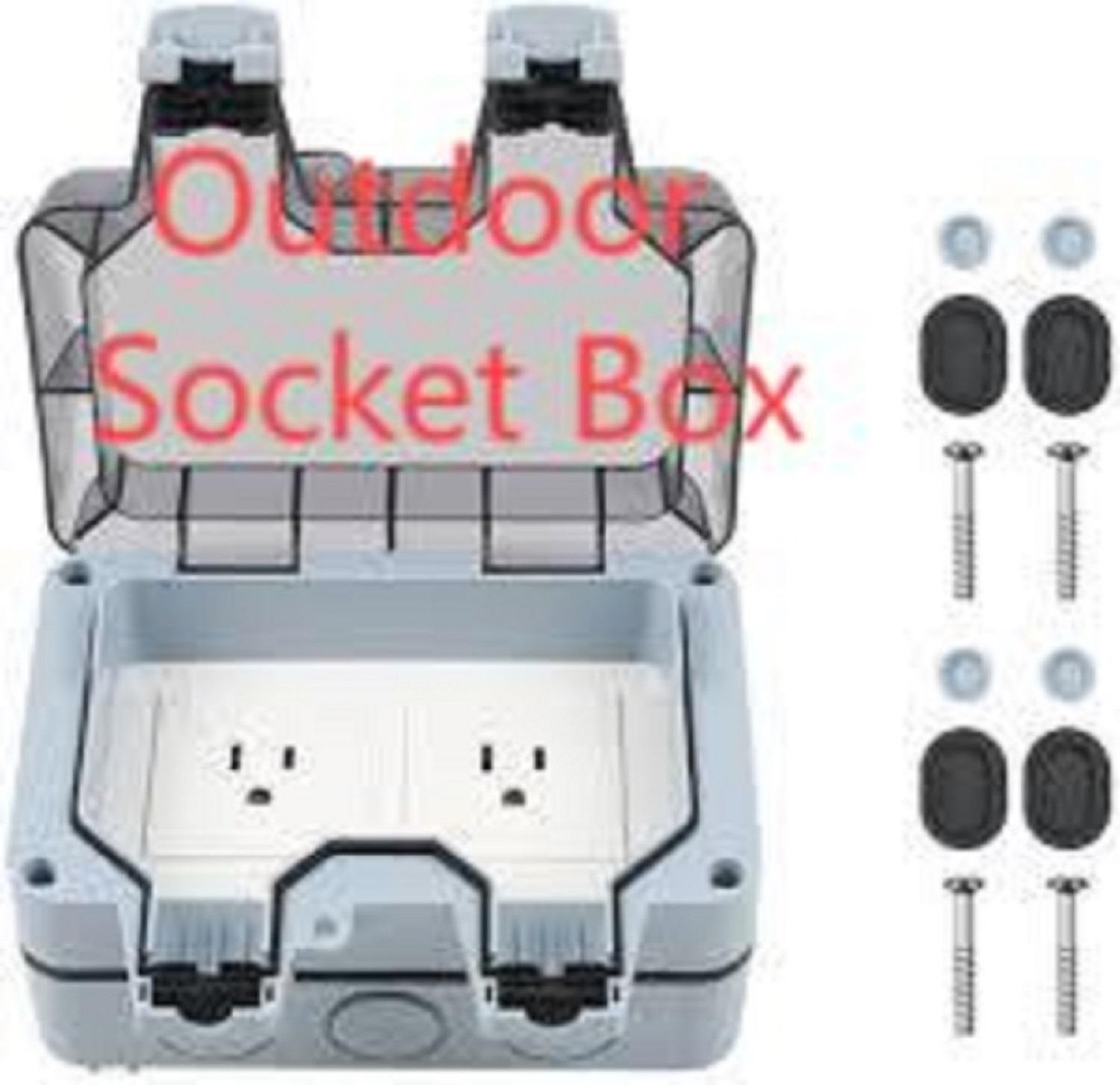
Specifying the right partner starts by verifying that a Outdoor Socket Box Supplier can meet environmental, safety, and installation requirements, and then aligning those capabilities with project timelines and maintenance plans. In many projects, choosing a Outdoor Socket Box Supplier early in the design phase reduces costly redesigns and prevents field surprises, so procurement teams should evaluate technical documentation, accessory compatibility, and post-sale support before awarding contracts.
Clarify functional requirements and site constraints
Begin every project with a clear list of functional requirements: intended user interactions, anticipated load types, mounting orientation (pole, wall, or flush), expected environmental stresses, and access control needs. Site constraints such as limited clearance, frequent foot traffic, or vandalism risk affect protective strategy and product selection. A documented requirements brief lets vendors propose appropriate models rather than forcing engineers to retrofit unsuitable units on-site.
Materials, finishes, and corrosion resistance
A socket box’s material set determines long-term resilience. Powder-coated steel balances strength and cost but needs a verified coating system for corrosive environments. Stainless steel reduces corrosion risk for coastal or chemical-exposed sites, while engineered polymers offer weight savings and inherent corrosion immunity. Evaluate fastener alloys, hinge treatments, and gasket compounds together as a system: mismatched metals or incompatible elastomers frequently drive premature failures at joints and penetrations.
Safety design and user-focused features
Good user-facing design reduces accidental misuse and improves longevity. Separate user-accessible compartments from live wiring and include lockable covers or keyed access where public tampering is a concern. Incorporate clear labeling, protective device access (fuses, breakers, or RCDs), and tactile or visual cues for safe operation. Ergonomics matter: lids should be easy to open with gloved hands, and socket placement should minimize water entry when plugs are connected for extended periods.
Nante Customization and accessory ecosystems
Vendors that supply tested accessories — gland plates, mounting brackets, pre-assembled wiring harnesses, and keyed locks — shorten installation time and reduce field improvisation. Factory-configured interiors and consistent accessory kits produce repeatable field results across many sites. When evaluating a partner, request images or samples of configured units and ask for documentation of factory functional testing to ensure the assembled product matches the quoted specification.
Installation best practices and commissioning checks
A correct installation preserves factory ratings and reduces warranty claims. Use rated cable glands at every entry, seal all unused knockouts with compatible plugs, and verify grounding continuity to prevent stray voltages. During commissioning, confirm protective device settings and torque terminal connections to specified values. Conduct a basic ingress check where practical — a controlled water test or visual inspection of gaskets can reveal sealing issues before sites go live.
Lifecycle planning, spares, and field service
Total cost of ownership often depends more on serviceability than initial price. Maintain a spare-parts plan that includes gaskets, locks, and commonly replaced electrical components. Negotiate lead times for replacement parts and consider local stocking or consignment options for critical items. For distributed installations, standardized component families reduce training needs and spare-part complexity, while clear maintenance guides help field crews perform consistent inspections.
Compliance, documentation, and procurement safeguards
Require objective evidence in procurement documents: IP ratings, material declarations, third-party certifications, and factory test records. For projects spanning multiple jurisdictions, specify the strictest applicable standards to avoid rework. Include acceptance tests and a signed handover checklist in contracts so delivered units are functionally verified at receipt rather than discovered deficient later.
Careful project scoping, selection of compatible accessories, disciplined installation, and proactive lifecycle planning produce reliable, maintainable outdoor power deployments that serve public and private needs alike. For additional industry context and product examples, please refer to https://www.nante.com/news/industry-news/what-is-an-outdoor-socket-box.html

 English
 Arabic
 French
 Spanish
 Deutsch
 Turkish
 Dutch
Dutch
 Italiano
 Russian
 Romaian
 Portuguese (Brazil)
 Greek
Greek