


POS Software Modernizes Checkout Operations And Unifies Retail Customer Experiences
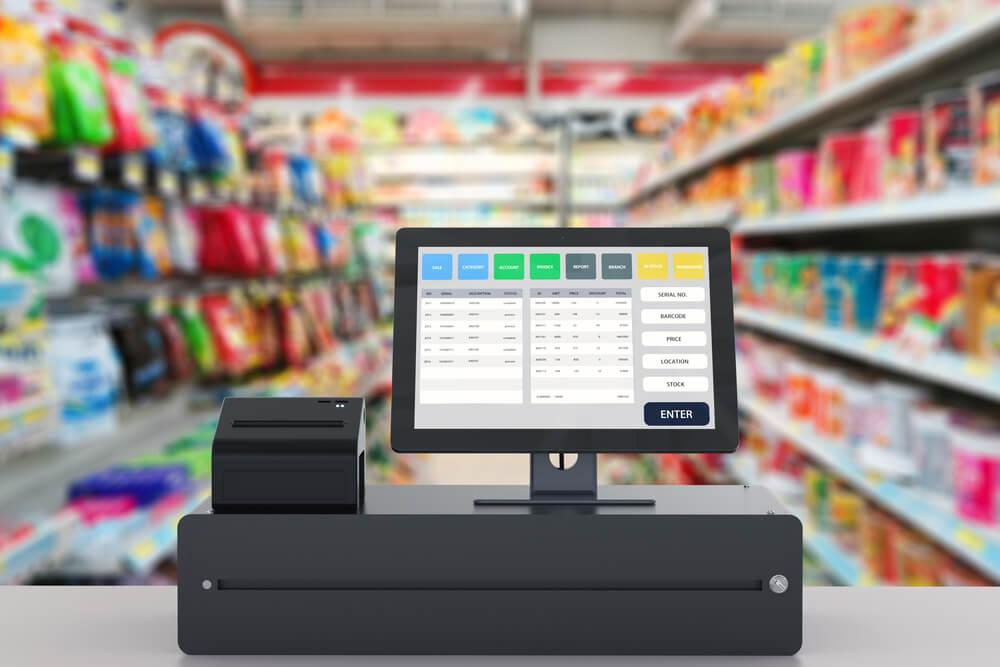
The POS Software is evolving rapidly as retailers and hospitality businesses modernize checkout and customer engagement. Modern point-of-sale systems go beyond processing transactions; they connect inventory, pricing, promotions, customer profiles, and employee management into one operational layer. Businesses adopt POS software to reduce checkout friction, support multiple payment types, and maintain real-time stock visibility across locations. Cloud-based POS is especially attractive because it enables centralized updates, remote management, and faster deployment than legacy on-premise systems. As consumer expectations rise, POS also supports omnichannel journeys such as buy-online-pickup-in-store, returns across channels, and digital receipts. For small businesses, mobile POS options on tablets and smartphones reduce hardware costs while improving flexibility on the shop floor or at pop-up events.
Operational efficiency is a major driver for POS adoption. Retailers use POS integrations to keep inventory synchronized, reduce stockouts, and automate replenishment triggers. Hospitality operators rely on POS for table management, kitchen display routing, modifiers, and tipping flows. Employee permissions, shift scheduling, and cash drawer reconciliation improve accountability and reduce shrinkage. At the same time, analytics embedded in POS dashboards help managers track sales by category, hour, staff member, and location. This data supports better merchandising and staffing decisions. Customer data capture at checkout enables loyalty programs, personalized offers, and improved service. However, businesses must balance data collection with privacy expectations and consent. A POS rollout also requires reliable networking, offline modes, and clear training, because downtime directly affects revenue. Vendors that offer intuitive interfaces and strong support often win renewals and expansions.
Payments innovation continues to reshape POS requirements. Contactless payments, QR-based options, and mobile wallets have become standard, while buy-now-pay-later and alternative payment methods are expanding in some markets. POS systems increasingly integrate with payment gateways, fraud tools, and tokenization services to protect card data. Compliance with security standards such as PCI DSS remains essential, especially for multi-location businesses. Many organizations also seek unified commerce capabilities where online and in-store orders share the same product catalog and customer history. This reduces operational duplication and enables consistent promotions. Hardware ecosystems matter too: barcode scanners, receipt printers, cash drawers, and handheld devices must work reliably with the POS software. As a result, buyers evaluate not only features but also compatibility, total cost of ownership, and the vendor’s implementation ecosystem.
Looking ahead, POS software will become more intelligence-driven and integrated. AI-based demand forecasting, dynamic staffing recommendations, and automated anomaly detection for fraud or shrink can enhance performance. Retailers will continue pushing for real-time visibility across stores, warehouses, and e-commerce channels. Hospitality will demand faster service flows, self-order kiosks, and pay-at-table experiences. The most successful POS deployments will focus on adoption, process alignment, and data accuracy, not just technology. Businesses should map workflows, define product and pricing governance, and plan integrations with accounting, ERP, and marketing tools. With cloud delivery and modular apps, POS is becoming easier to adapt as business models change. This positions modern POS as a strategic system for revenue capture, operational control, and customer experience consistency across physical and digital touchpoints.
Top Trending Reports:

 English
 Arabic
 French
 Spanish
 Portuguese
 Deutsch
 Turkish
 Dutch
Dutch
 Italiano
 Russian
 Romaian
 Portuguese (Brazil)