

How FAQs Help You Rank in Google’s Featured Snippets
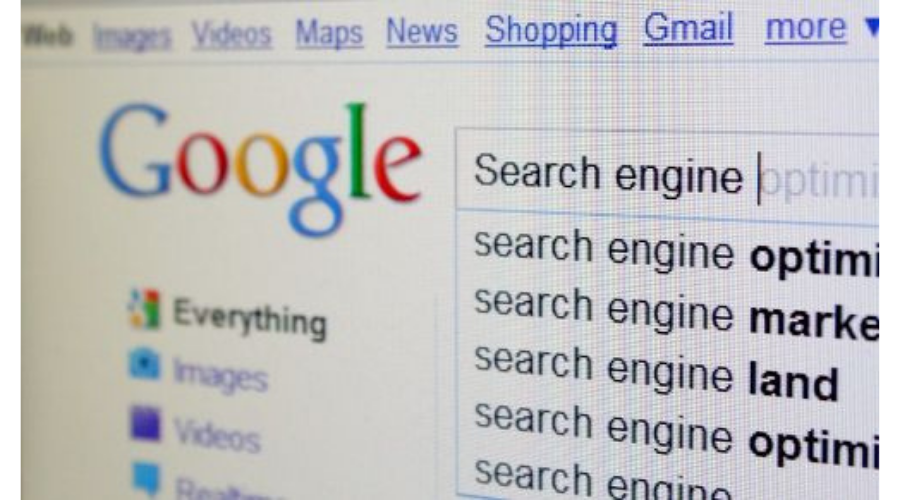
How FAQs Help You Rank in Google’s Featured Snippets
Google’s featured snippets are those short answer boxes you often see at the top of search results. They are designed to give a quick, clear reply without making people dig through multiple pages. When your page becomes the source of that answer, you can earn more visibility, more clicks, and stronger trust.
FAQs are a natural match for featured snippets because they are built around real questions and direct answers. When written in the right way, an FAQ section helps Google understand your content faster and helps readers get what they need in seconds. This blog will show you how FAQs support featured snippets and how you can write them in a way that works for both people and search engines.
1) Understanding featured snippets and why Google shows them
Featured snippets exist to help searchers get quick answers. They usually show up for questions, comparisons, definitions, and step based queries. When Google finds a page that explains a topic clearly, it may pull a short part of that page into the snippet box.
FAQs fit this system well because they already use a question and answer format. When you shape that format with care, your FAQ can become a strong candidate for snippet selection.
What featured snippets look like in search results
A featured snippet is a highlighted block that appears above the regular list of results. It often includes a short answer, the page title, and a link. Sometimes it also shows an image or extra lines of text from the page.
This snippet can appear in different layouts, depending on the question. Some look like a short paragraph, some look like a small list, and some show a table style answer. The layout Google chooses depends on what it thinks matches the question best.
People often notice featured snippets first because of their position and clean format. That extra attention can bring steady traffic when your page keeps matching search needs.
The kinds of searches that trigger snippets
Many snippets appear for searches that begin with words like what, how, when, why, and which. They also appear for queries that ask for a quick definition, a simple process, or a clear comparison. These are searches where the user wants a fast reply.
Queries with clear intent are common triggers. For example, someone might want to know how long a process takes, what a feature includes, or how to fix a basic issue. Google looks for pages that give a direct and useful answer.
FAQs help here because they mirror the way people search. When your question matches the way someone types a query, Google can connect the dots more easily.
How Google picks content for a snippet
Google uses systems that try to understand what the searcher wants and which page explains it best. It looks for content that is clear, well structured, and easy to pull into a short answer. The snippet section is usually taken from a part of a page that looks like a clean response.
A strong snippet candidate often has a short answer near the top of a section, followed by supporting details. This format helps Google extract the key part while still giving the reader more context if they click.
Quality matters as well. A page that feels trustworthy, updated, and well written has a better chance to be selected.
Why snippet wins can bring the right kind of visitors
Featured snippets bring visitors who are actively looking for answers. These visitors often have a specific goal, like learning a step, checking a detail, or making a choice. When they land on your page and the rest of the content is helpful, they are more likely to continue exploring.
FAQs can guide them beyond the first answer. After the snippet question is solved, the next questions on your page can keep the person moving in a natural way. This creates a smoother experience and keeps your page useful.
This also supports brand trust. When people see your site providing clear answers, they tend to remember it as a reliable place to return to.
How FAQs match the way snippets are built
FAQs are built around direct questions, and snippets are built around direct answers. That shared shape is the main reason FAQs work so well for snippet opportunities. A well written FAQ looks like a ready made answer block that Google can understand quickly.
FAQs also support scanning. Readers can jump to the question they care about and get a clear reply. That easy reading style lines up with what Google tries to show in a snippet.
When your FAQ is written with clarity and real intent, it becomes a strong source for the short answers Google wants to display.
2) Why FAQs give Google clean and clear answers
Google prefers content that is easy to understand and easy to extract. FAQs create a tidy structure where each question has a focused answer. That structure helps Google see what the section is about without guessing.
At the same time, FAQs support real people. They reduce confusion, remove extra steps, and build confidence. When people find answers quickly, they stay longer and interact more, which can support your overall search performance.
Question based headings help Google understand intent
Each FAQ question works like a small heading that signals what comes next. When that question closely matches a search query, Google can connect the search intent to your content. This makes your page easier to match with snippet style searches.
A clear question also sets the right expectations for the answer. The reader knows what they will get, and Google knows what the section is about. This shared clarity is valuable.
Over time, a good set of questions can help your page rank for many related searches, not just one main keyword.
Short answers make snippet extraction easier
Featured snippets often use short answers that fit into a small space. FAQs naturally encourage short and direct replies. When your answer starts with the main point, it becomes easier for Google to pull the best lines.
A good practice is to give a simple answer in the first two sentences. After that, you can add extra detail to help people who want more context. This keeps the section friendly for both quick readers and careful readers.
When your answer is clean, you also reduce the chance of Google picking a less clear part of your page.
Focused topics reduce confusion for search engines
A strong FAQ question covers one topic. That focus helps Google understand the meaning of the answer. It also helps the reader because they are not sorting through extra information to find what they need.
When a question tries to cover too much, the answer becomes long and mixed. A focused question keeps the answer tight. Tight answers tend to perform better in snippet selection because they fit the format.
This approach also makes your FAQ easier to update. When each entry has one job, you can improve it without changing the rest of the page.
Natural language helps your content match real searches
People search in normal language. They type questions the way they would ask a friend or a support team. FAQs work best when they use that same style.
When your question sounds like a real person, your page becomes more relevant. Google can match that question to many similar queries, even if the words are not exactly the same.
This natural style also improves readability. People understand it quickly, and that can lead to better engagement with your content.
Consistent formatting makes your FAQ more scannable
A consistent pattern helps both readers and search engines. When each question is styled similarly, and each answer follows a similar shape, the page feels organized. Google can also parse it more easily.
Consistency includes the way you write, the way you space paragraphs, and the way you present details like time frames or steps. A stable format creates a calm reading experience.
When people find answers fast, they are more likely to trust your page. Trust supports repeat visits and stronger brand recall.
3) Writing FAQ questions that align with featured snippet searches
Snippet friendly questions are simple, direct, and based on what people actually ask. The goal is to create questions that match search intent and answers that deliver clarity right away. This is less about clever writing and more about useful writing.
When you craft questions with care, you create more entry points into your site. Each question can rank on its own, and some can earn snippet spots when the answer is strong.
Research the questions people ask in your niche
Customer support logs are a great source of real questions. Reviews, comments, and sales calls also reveal what people care about and where they need clarity. These questions often match the ones people type into Google.
Search suggestions can help too. When you type a topic into Google, the suggestions and related searches show common patterns. Those patterns can guide your FAQ wording.
The best questions usually have a clear goal. They ask about price, setup, timing, rules, steps, or comparisons.
Use “what is” and “how to” phrasing where it fits
Many featured snippets appear for “what is” and “how to” queries. This does not mean every FAQ needs those words, yet they are useful when the topic is a definition or a process.
A “what is” question works well for explaining a feature, a service, or a term customers see on your site. A “how to” question works well for guiding someone through an action.
When you use these patterns naturally, your FAQ lines up with a large set of common snippet searches.
Keep questions short and specific
A short question is easier to scan on the page and easier to match in search. Specific questions also lead to specific answers, which helps snippet selection.
For example, a question like “How long does shipping take?” is clearer than “Can you tell me about shipping?” The first question has a direct answer, and that direct answer can fit in a snippet.
Specific questions also reduce misunderstandings. The reader knows exactly what you are addressing, and your answer can stay focused.
Match the customer journey stages
People ask different questions before they buy, during setup, and after they start using the product. A strong FAQ includes questions for each stage. This helps your page stay useful to a wider range of visitors.
Early stage questions often cover trust and expectations, such as pricing, delivery, or what is included. Setup questions often cover steps and access. Ongoing use questions often cover troubleshooting and best practices.
When your FAQ reflects the journey, it can win snippets across different kinds of intent, from learning to doing.
Build clusters of related questions on one page
Google often rewards pages that cover a topic well. When your FAQ includes a set of related questions, it shows depth. It also helps readers because they can find follow up answers in the same place.
A cluster might include a general question plus more specific questions that expand on the topic. This structure keeps the page organized and supports internal linking to deeper guides.
When clusters are written clearly, they can strengthen your page’s overall authority for that topic.
4) Writing FAQ answers that Google can feature and people enjoy reading
An FAQ answer should feel like a quick helping hand. It should begin with a direct reply and then offer a bit more detail that makes the answer complete. This supports both snippet extraction and customer satisfaction.
The most useful answers also feel steady and clear. They use simple words, short sentences, and real examples. This makes the content easier to read and easier for Google to pull into a snippet.
Lead with the main answer in the first two sentences
A featured snippet usually uses the first part of an answer. That is why the opening lines matter. When you start with the main point, you make it easy for Google to capture the right text.
After the direct answer, you can add extra details. These details support the reader once they land on your page. They can include where to click, what to expect, or what happens next.
This structure respects the reader’s time. It also improves your chances of being selected as a snippet source.
Use simple language that stays clear on mobile
Many people read FAQs on a phone. Short paragraphs and simple words make a big difference. When your answer is easy to read on a small screen, people are more likely to finish it.
Simple language also reduces confusion for first time customers. They should not need special knowledge to understand the reply. A calm, plain style works best for support and search.
When people understand your answer quickly, they are more likely to trust your brand and continue exploring.
Add helpful context in one or two extra lines
A good FAQ answer often includes a small piece of context that prevents the next question. For example, after you explain a return policy, you can add when refunds are processed or how a confirmation email works.
This context should stay tight. It should support the main answer rather than turning the FAQ into a long guide. If more detail is needed, you can point to a deeper help article.
This approach keeps your FAQ page clean while still being truly helpful.
Include numbers and time frames when they matter
Google and readers both like clear details. If your answer involves timing, limits, or pricing rules, include a simple number or time frame. This reduces guesswork and helps the answer feel complete.
Numbers also help snippet performance because they make the answer precise. When someone asks “how long” or “how much,” a clear value can make your page stand out.
When time frames can vary, you can still be clear by explaining what affects the range in simple terms.
Use mini examples that make answers easy to picture
Examples help people understand quickly. They turn a policy or process into something real. A short example can also help Google see the meaning of your answer.
For example, if you explain account access, you can add a quick line about what happens after a password reset link is used. If you explain billing, you can add a line about when the next charge appears.
5) On page setup that supports featured snippets
A well written FAQ needs a clean home on the page. Google looks at page structure, headings, and how content is presented. Readers also care about layout because it affects how fast they can find answers.
When your FAQ is placed and formatted thoughtfully, it becomes easier to scan, easier to understand, and easier for Google to select as a snippet source.
Place FAQ sections close to relevant content
An FAQ works best when it sits near the content it supports. If a page is about a specific service, the FAQ should answer questions about that service. Using FAQ Templates makes it easier to keep that alignment tight, because it encourages you to define the topic, the audience, and the purpose of each section.
A common approach is to place a focused FAQ near the bottom of a product or service page. Another option is to include a short FAQ on the main page and link to a deeper FAQ page.
When the FAQ matches the page topic tightly, your chances of ranking for that topic can improve.
Use clear headings and readable spacing
Headings help search engines understand the structure of a page. They also help readers jump to the right section. Each FAQ question should be easy to spot, and each answer should have comfortable spacing.
Short paragraphs improve readability and reduce drop offs. This is especially useful on mobile. A calm layout makes the page feel easier to use.
When the page feels organized, readers are more likely to stay and explore, which supports your overall performance.
Add FAQ schema in a clean and correct way
FAQ schema is a type of structured data that helps search engines understand your question and answer pairs. When added correctly, it can support better visibility in search results and can sometimes show rich results.
Schema works best when it matches the visible content on the page. The question and answer in the code should be the same as what users see. This keeps everything consistent and clear.
If your site has a content system, you can build a simple process so schema updates automatically when you update the FAQ text.
Keep each answer in a single easy to extract block
Google needs to extract text easily. That is why clean blocks of text help. Each answer should sit under its question without being interrupted by unrelated content.
A tight block does not have to be short, yet the first lines should be. The best pattern is a direct opening followed by supporting lines. This creates a natural snippet candidate.
When your answers are tidy, both readers and search engines can process them quickly.
Connect FAQs to deeper pages with helpful internal links
Internal links help users learn more. They also help search engines understand your site structure. When an FAQ answer needs more detail, a link to a related guide can be useful.
The link text should be clear and descriptive. It should tell the reader what they will find on the next page. This supports trust and keeps navigation easy.
Over time, these links can build topic strength across your site, especially when multiple pages support one main theme.
6) Keeping your FAQ content fresh and improving snippet performance over time
A strong FAQ keeps growing with your customers. As products change and new questions appear, your FAQ can stay helpful by updating regularly. This keeps your content aligned with what people search today.
Featured snippet performance can also improve with small refinements. When you adjust a question, tighten an answer, or add a clearer time frame, you can become a stronger match for what Google wants to show.
Refresh answers after product and policy updates
Product updates often change steps, labels, and timelines. When you update your FAQ soon after a change, customers get the right information quickly. This builds trust and reduces confusion.
Policy updates matter too, especially for billing, returns, or shipping. A clear FAQ answer can set expectations in a friendly way.
Fresh answers also help search engines. Google prefers content that stays accurate over time.
Improve clarity by reviewing real user behavior
Analytics can show which FAQ questions get the most attention. They can also show where people leave the page. This helps you understand which answers might need clearer openings or better context.
Search terms inside your help center can reveal what people are trying to find. When you add those terms naturally into your questions, your page can match more searches.
A review based on real behavior helps you make changes that matter, not just changes that look nice.
Rewrite answers to match the best snippet formats
Some questions work best with a short paragraph answer. Others work best with a simple sequence of steps written in short sentences. Some work best with a small comparison written in plain language.
When you notice a query that often triggers snippets, you can shape your answer to match the common snippet format for that query. This is about clarity and structure, not about sounding robotic.
A small rewrite can help Google pick the cleanest lines from your page.
Build trust signals through simple, helpful details
Trust grows when answers feel complete and real. A short line about where to find a setting, what email to look for, or how long something usually takes can add that feeling of support.
You can also build trust by keeping language consistent across pages. When your product pages, help pages, and FAQs all agree, your brand feels reliable.
A reliable page is more likely to earn clicks after winning a snippet, because people want to learn more from a trusted source.
Track snippet wins and adjust based on patterns
Search performance tools can show which queries bring traffic and which pages rank near the top. When a page sits close to a snippet position, a small improvement can sometimes push it into the snippet box.
Patterns matter. If several questions on a page perform well, you can expand that section with closely related questions. If one question never performs, you can rewrite it using a more common phrasing.
This steady improvement approach helps you grow search visibility without needing constant big projects.
Conclusion
FAQs help you rank in Google’s featured snippets because they match the way people search and the way Google presents answers. When you write clear questions, lead with direct answers, and keep your page structure clean, you give Google the kind of content it can confidently feature.
The most important part is writing for real people first. When your FAQ genuinely helps customers, it naturally becomes clearer, more focused, and easier to extract into a snippet. With regular updates and small refinements, your FAQ can become a long term source of search traffic and customer trust.

 English
 Arabic
 Spanish
 Portuguese
 Deutsch
 Turkish
 Dutch
Dutch
 Italiano
 Russian
 Romaian
 Portuguese (Brazil)
 Greek
Greek