


Why Are Bamboo Sleeves Gaining Popularity in Drinkware?
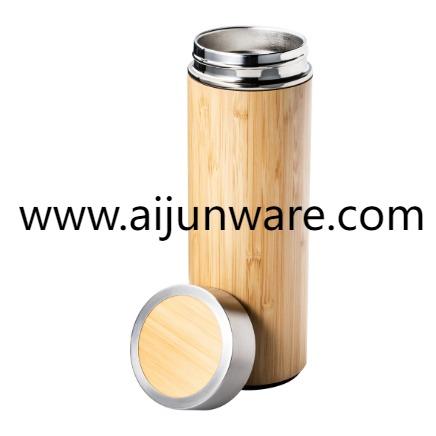
Consumer preferences shift toward products that balance functionality with environmental consciousness and aesthetic appeal. The Bamboo Thermos Flask represents this convergence, where natural materials meet modern engineering to create containers that perform technically while expressing personal values through design choices. Bamboo sleeves have emerged from niche specialty items into mainstream drinkware features, driven by multiple factors ranging from tactile experience to sustainability concerns. Understanding this trend reveals broader shifts in how people select everyday objects and what qualities matter beyond basic utility.
Tactile experience distinguishes bamboo from synthetic alternatives immediately upon handling. The natural grain creates subtle texture that feels warm and organic compared to cold, smooth metal or plastic. This sensory difference registers subconsciously, making containers more pleasant to hold during daily use. Human hands evolved grasping natural materials like wood and bark, creating innate preference for these textures over manufactured surfaces. Bamboo engages this primal comfort, transforming ordinary drinking into more satisfying experiences through enhanced physical connection.
Thermal properties make bamboo sleeves functionally superior for temperature management. Natural insulation prevents heat transfer between hot container bodies and hands holding them. Similarly, cold beverages keep exteriors from becoming uncomfortably chilled or developing condensation that creates slippery grips. This practical benefit emerges from bamboo's cellular structure, which traps air within fibers and reduces thermal conductivity. Users enjoy comfortable handling regardless of beverage temperature without requiring additional insulating sleeves or holders.
Environmental awareness drives purchasing decisions increasingly across demographic groups. Bamboo cultivation requires no pesticides, minimal water, and regenerates rapidly from harvested stalks without replanting. These characteristics create compelling sustainability narratives that resonate with consumers seeking reduced environmental impact. Choosing bamboo-sleeved containers becomes a visible statement of environmental values, aligning daily habits with broader ecological concerns. This virtue signaling aspect proves psychologically satisfying beyond the functional benefits bamboo provides.
Aesthetic versatility allows bamboo to complement diverse personal styles and design preferences. Natural wood tones suit minimalist, rustic, modern, and traditional aesthetics equally well. The organic appearance contrasts pleasingly against stainless steel or matte finishes, creating visual interest through material juxtaposition. Individual grain patterns make each sleeve unique, providing subtle customization without requiring deliberate personalization efforts. This natural uniqueness appeals to consumers seeking individuality within mass-produced products.
Durability concerns that once limited natural material adoption have been addressed through modern treatment processes. Protective finishes prevent moisture absorption that would cause swelling or warping over time. These coatings also resist scratching and wear from daily handling, maintaining appearance through extended use. Properly treated bamboo withstands temperature fluctuations, repeated washing, and physical impacts that would damage untreated materials. Technical improvements transformed bamboo from delicate decorative accent into robust functional component suitable for demanding daily use.
Weight considerations favor bamboo over thicker insulating sleeves made from synthetic materials. Natural density provides adequate insulation without excessive bulk or heft. This balance proves particularly important for portable containers carried throughout busy days. Reduced weight accumulates meaningfully across backpacks, briefcases, or handbags where every ounce matters. Bamboo delivers functionality without the burden that compromises portability.
Cultural associations connect bamboo with Eastern philosophies emphasizing harmony, balance, and natural living. These connotations imbue bamboo-sleeved containers with meaning beyond physical properties. Users perceive them as reflecting mindfulness, simplicity, and connection to nature rather than mere commodity consumption. This symbolic dimension adds emotional satisfaction to practical utility, deepening attachment to objects that might otherwise remain unremarkable.
Manufacturing efficiency enables bamboo integration without prohibitive cost increases. Advances in processing allow mass production maintaining affordability while scaling natural material use. Automated systems shape, finish, and attach bamboo sleeves consistently across large production volumes. Economic accessibility ensures bamboo features reach broad markets rather than remaining luxury specialty items. Democratized access expands the trend beyond early adopters into mainstream acceptance.
Maintenance simplicity removes barriers that might discourage adoption. Bamboo sleeves require only standard cleaning without special treatments or careful handling. They tolerate dishwasher exposure in many cases, though hand washing extends lifespan. The low-maintenance nature fits modern lifestyles lacking time for elaborate care routines. Users enjoy natural material benefits without added responsibility that would offset their appeal.
Grip enhancement prevents accidents and improves user confidence. Bamboo's natural texture provides superior traction compared to slick metal or glossy plastic. This functional advantage matters particularly for elderly users, those with mobility challenges, or anyone in situations where secure grip prevents injury or damage. Safety considerations complement aesthetic and environmental factors in driving bamboo adoption.
Market differentiation motivates manufacturers seeking distinctive products in crowded drinkware markets. Bamboo sleeves create visual distinction on retail shelves, helping containers stand out among countless stainless steel options. This competitive advantage drives continued innovation and adoption as brands seek unique selling propositions. Consumer response validates the differentiation strategy, encouraging further bamboo integration across product lines.
A Bamboo Thermos Flask addresses multiple consumer priorities simultaneously through thoughtful material selection. The convergence of tactile pleasure, thermal function, environmental responsibility, and aesthetic appeal creates compelling value propositions that resonate across diverse buyer motivations. Bamboo sleeves represent design evolution responding to changing values and expectations surrounding everyday objects.
Trends reflect deeper cultural shifts rather than arbitrary fashion cycles. Your Bamboo Thermos Flask embodies principles gaining importance in consumer consciousness: sustainability, sensory experience, and meaningful design. These priorities seem likely to persist rather than fade, suggesting bamboo integration represents lasting change rather than temporary novelty.
Those seeking containers where natural materials enhance both function and aesthetic expression can examine various designs incorporating bamboo thoughtfully. Visit https://www.aijunware.com/product/ to compare options balancing traditional materials with modern performance requirements and contemporary design sensibilities.

 English
 Arabic
 French
 Spanish
 Portuguese
 Deutsch
 Turkish
 Italiano
 Russian
 Romaian
 Portuguese (Brazil)
 Greek
Greek