


Nante Weatherproof Distribution Box Engineered For Extreme Environments
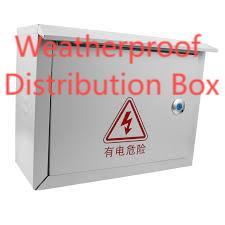
In exposed electrical installations, specifying the right Weatherproof Distribution Box for a site is often treated as an afterthought, but installing the correct Weatherproof Distribution Box mid-project can dramatically reduce outages, corrosion, and maintenance time by protecting terminals and routing moisture away from critical connections. Thoughtful enclosure selection balances IP rating, material science, thermal management, and serviceability so that technicians can perform safe, fast interventions while the system continues to meet uptime targets.
Key Environmental Challenges
Outdoor enclosures face a combination of threats: driving rain, condensation cycles, airborne dust, UV exposure, and chemical aerosols in industrial zones. Each hazard shortens component life if not addressed in the specification stage. Designers must begin with local climate data, salt-load expectations near coastlines, and likely contaminant types to choose proper sealing strategies, gaskets, and finishes that will stand up to the operational environment.
Materials and Construction Choices
Material selection dictates long-term behavior. Powder-coated steel provides structural strength but needs robust pretreatment and coatings to avoid underfilm corrosion. Stainless steel is ideal for highly corrosive sites, while GRP (glass-reinforced polyester) offers corrosion immunity and electrical isolation with lower weight. Fasteners, hinges, and gland-plate hardware should be marine-grade or passivated to prevent galvanic reactions; elastomeric gaskets (EPDM or silicone) maintain compressive resilience across wide temperature swings.
Installation and Mounting Best Practices
A well-designed distribution box reduces installation time and errors. Use pre-punched gland plates, captive screws, and removable mounting plates to let installers pre-wire assemblies off-site. Provide clear labeling and dedicated cable-entry chambers so moisture and contaminants do not migrate to live terminals. Correct orientation, drip edges, and routed drain paths prevent standing water, while generous bend-radius allowances inside avoid stress on conductor insulation.
Standards, Testing, and Schneider Electric Compatibility
Meeting IP and IK specifications is only the starting point—real confidence comes from environmental and mechanical testing. Salt-spray, thermal cycling, and vibration assessments verify performance under sustained stress. For retrofit projects, compatibility with common manufacturer footprints matters; many customers prefer layouts that accept modules or accessories from major names such as Schneider Electric to simplify replacement and reduce lead times.
Serviceability, Documentation, and Lifecycle Planning
Design enclosures with maintenance in mind: captive hinges, doors that lock open during service, and replaceable gland plates speed routine checks. Supply clear datasheets, torque specifications, and wiring diagrams so maintenance teams can follow repeatable procedures. Plan lifecycle costs by specifying modular interiors and replaceable wear parts (gaskets, glands, contact blocks) rather than requiring full replacement when a single component fails.
Thermal Management and Internal Layout
Internal heat sources—transformers, fuses, or battery systems—demand careful airflow planning. Passive convective paths, thermal barriers, and thermostatically controlled vents extend component life. In high-power applications, include internal DIN rails and segregation zones that let hot components dissipate heat without raising ambient temperature for sensitive electronics.
Smart Features and Monitoring
Modern distribution boxes can host simple sensors: door-open switches, humidity monitors, and temperature alarms that transmit telemetry to a central dashboard. These minimal additions enable predictive maintenance and can reduce emergency callouts. Ensure any added electronics are mounted in serviceable locations and do not compromise sealing or increase ingress paths.
Sustainability and End-of-Life Considerations
Design for disassembly to reduce waste: standard fasteners, separable panels, and recyclable materials simplify recycling and part recovery. Choose finishes and treatments with low VOCs and avoid mixed-material joints where possible. Over the product life, modular replacement parts reduce landfill waste and lower total cost of ownership.
In practice, a correctly specified distribution enclosure protects equipment and the people who service it, lowers long-term costs, and supports more predictable maintenance schedules. For full technical details, installation guides, and product variations, see https://www.nante.com/news/industry-news/weatherproof-distribution-boxes-features-applications-future-trends-and-more.html

 English
 Arabic
 French
 Portuguese
 Deutsch
 Turkish
 Dutch
Dutch
 Italiano
 Russian
 Romaian
 Portuguese (Brazil)
 Greek
Greek