


The Role of Stress in Abdominal Pain: Understanding the Mind-Body Connection
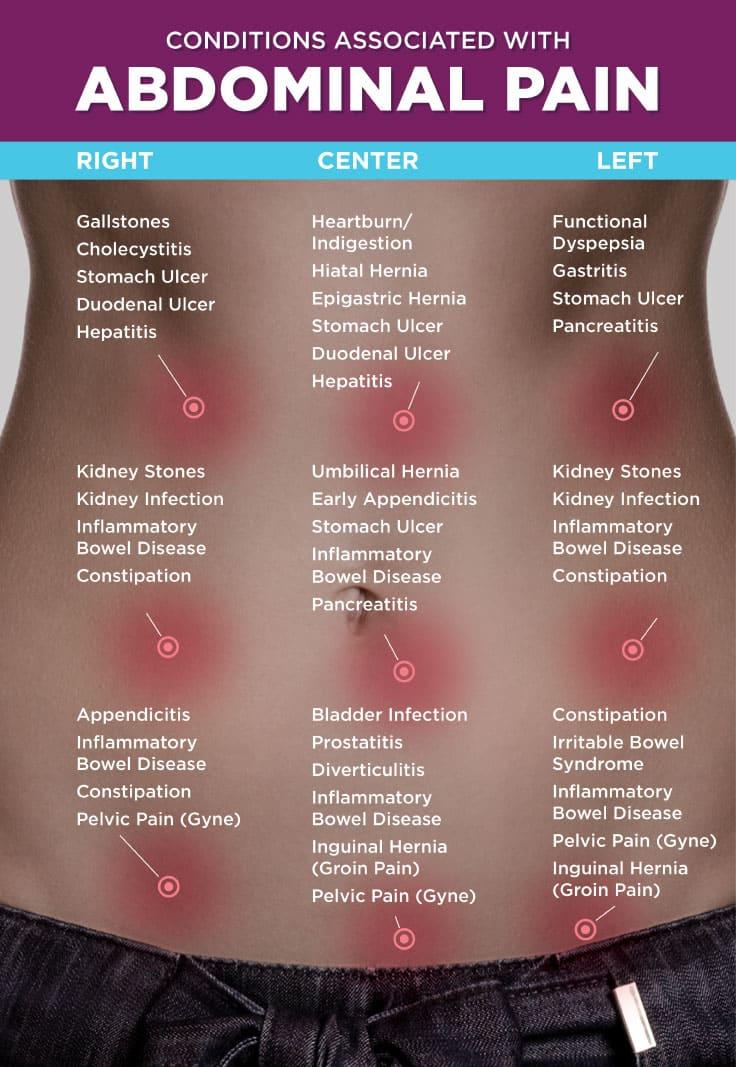
Abdominal pain is one of the most common reasons individuals seek medical care. While infections, inflammatory conditions, and structural abnormalities are frequently investigated, a growing body of research underscores the significant role of psychological stress in the onset, persistence, and severity of gastrointestinal symptoms. Understanding the mind-body connection is essential for patients, clinicians, and healthcare stakeholders seeking comprehensive and effective approaches to abdominal pain.
Defining Stress and Its Physiological Impact
Stress is the body’s response to perceived threats or challenges, whether physical, emotional, or psychological. Acute stress can be adaptive, enabling heightened alertness and performance. Chronic stress, however, can disrupt homeostasis and contribute to a wide range of health problems. When stress becomes prolonged, it activates neuroendocrine pathways most notably the hypothalamic-pituitary-adrenal (HPA) axis and the sympathetic nervous system that influence gastrointestinal function.
These pathways alter hormone secretion, immune responses, and autonomic regulation. Cortisol and catecholamines released during stress can modify gut motility, secretion, and blood flow, creating conditions that predispose individuals to abdominal discomfort and pain.
The Gut-Brain Axis
Central to the mind-body connection is the gut-brain axis, a bidirectional communication network linking the central nervous system and the gastrointestinal tract. This axis integrates neural, hormonal, and immunological signaling. The enteric nervous system often referred to as the “second brain” contains millions of neurons embedded within the gut wall, capable of functioning independently while remaining closely connected to the brain.
Stress can dysregulate this communication system. Signals from the brain may heighten visceral sensitivity, meaning normal digestive processes are perceived as painful. Conversely, disturbances in the gut can send feedback to the brain, exacerbating anxiety and stress, thereby creating a self-reinforcing cycle.
Stress and Functional Gastrointestinal Disorders
Functional gastrointestinal disorders (FGIDs), such as irritable bowel syndrome (IBS) and functional dyspepsia, exemplify the influence of stress on abdominal pain. These conditions are characterized by chronic symptoms without identifiable structural or biochemical abnormalities. Clinical evidence consistently demonstrates higher rates of anxiety, depression, and stress-related disorders among individuals with FGIDs.
Stress does not merely coexist with these disorders; it can precipitate symptom flares and influence disease trajectory. Patients often report worsening abdominal pain during periods of emotional strain, work-related pressure, or significant life events. This association highlights the importance of psychosocial assessment in gastrointestinal care.
Inflammation, Immunity, and the Microbiome
Chronic stress also affects immune function and inflammatory processes within the gut. Stress-related hormonal changes can increase intestinal permeability, sometimes referred to as “leaky gut,” allowing luminal antigens to interact with immune cells. This interaction may provoke low-grade inflammation, which is increasingly recognized as a contributor to abdominal pain.
Additionally, stress can alter the composition and diversity of the gut microbiome. An imbalanced microbiota may impair digestion, gas handling, and mucosal integrity, further sensitizing the gut. Emerging research suggests that targeted interventions aimed at restoring microbial balance may help mitigate stress-related gastrointestinal symptoms.
Behavioral and Lifestyle Contributors
Stress rarely operates in isolation. It often influences behaviors that directly affect gastrointestinal health, including dietary choices, sleep patterns, and physical activity. Individuals under stress may consume diets high in processed foods, skip meals, or engage in irregular eating habits, all of which can exacerbate abdominal discomfort.
Sleep disturbances associated with stress further compound the problem. Poor sleep quality has been linked to increased pain perception and impaired gut motility. Reduced physical activity, another common consequence of chronic stress, may slow intestinal transit and contribute to bloating and pain.
Therapeutic Implications
Recognizing the role of stress in abdominal pain has important implications for treatment strategies. Effective management often requires a multidisciplinary approach that addresses both physiological and psychological factors. Cognitive-behavioral therapy, mindfulness-based stress reduction, and relaxation techniques have demonstrated efficacy in reducing symptom severity in stress-related gastrointestinal disorders.
Pharmacological interventions may still be necessary in certain cases, particularly when pain is associated with infection or inflammation. In such contexts, medications must be sourced reliably to ensure quality and continuity of care. From a healthcare systems perspective, supply chain integrity including coordination with a reputable mebendazole wholesaler for antiparasitic treatments when indicated supports timely and effective clinical management without detracting from the broader psychosomatic framework of care.
Patient Education and Empowerment
Educating patients about the mind-body connection is a critical component of care. Understanding that stress can manifest as physical pain helps reduce stigma and frustration, fostering greater engagement in treatment plans. Patients who recognize stress triggers are better positioned to adopt coping strategies and lifestyle modifications that alleviate symptoms.
Self-management techniques such as regular exercise, structured relaxation practices, and consistent sleep routines can be powerful adjuncts to clinical interventions. Importantly, these strategies empower patients to play an active role in managing their condition, improving long-term outcomes.
Implications for Healthcare Providers
For clinicians, integrating stress assessment into routine evaluation of abdominal pain enhances diagnostic accuracy and therapeutic effectiveness. This approach does not minimize the importance of ruling out organic disease; rather, it ensures that psychosocial contributors are considered alongside biomedical factors.
Interdisciplinary collaboration between gastroenterologists, primary care providers, mental health professionals, and allied health practitioners is increasingly recognized as best practice. Such collaboration aligns with a holistic understanding of abdominal pain and reflects the complex interplay between mind and body.
Conclusion
Abdominal pain is a multifactorial symptom that cannot be fully understood through a purely structural or biochemical lens. Stress plays a pivotal role in modulating gastrointestinal function, pain perception, immune responses, and patient behaviors. The gut-brain axis provides a compelling framework for understanding how psychological factors translate into physical symptoms.
By acknowledging and addressing the mind-body connection, healthcare systems can move toward more comprehensive, patient-centered models of care. Whether through stress management interventions, lifestyle modification, or ensuring access to appropriate medical therapies via dependable supply channels, a holistic approach offers the greatest potential for meaningful and sustained relief from abdominal pain.

 English
 Arabic
 French
 Spanish
 Portuguese
 Deutsch
 Turkish
 Dutch
Dutch
 Italiano
 Romaian
 Portuguese (Brazil)
 Greek
Greek