


Avoid Wheel and Brake Failures: Why a Quality Hub Bearing Is Essential
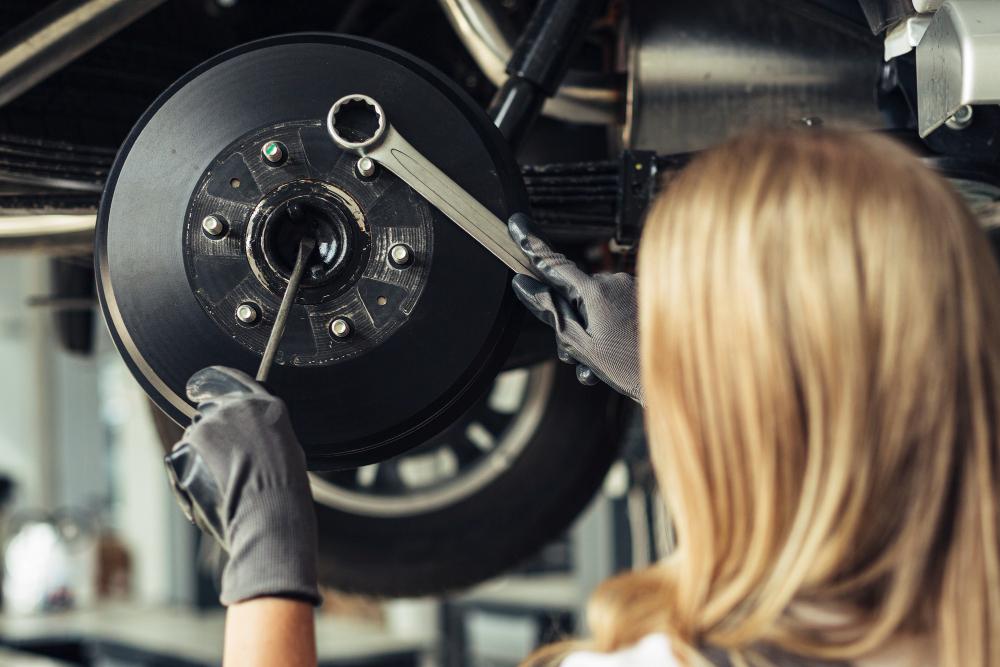
Drivers often ignore small noises or vibrations in their vehicles, thinking they’ll disappear on their own. But when the issue is linked to a failing hub bearing, those early signs can quickly turn into major safety hazards and expensive repair bills. A damaged wheel hub assembly affects far more than just driving comfort—it can compromise control, stability, and braking performance.
Why Drivers Struggle to Identify Hub Bearing Problems Early
The most frustrating part for vehicle owners is how subtle early symptoms can be. A faint humming or light wobble might not seem serious, but hub bearings are precision components that keep the wheel rotating smoothly.
Common Early Red Flags Many Ignore
-
Whirring or grinding noise growing with vehicle speed
-
Uneven tire wear
-
Steering wheel vibration
-
ABS warning lights
-
Looseness or play when turning the wheel
Most drivers don’t realize that ignoring these symptoms doesn’t just worsen the bearing— it stresses the axle, brake system, and suspension, causing chain-reaction damage.
How a Bad Hub Bearing Compromises Your Road Safety
A failing hub bearing affects wheel alignment and rotation accuracy, which leads to unpredictable handling. This becomes especially dangerous at high speeds or during emergency braking.
Serious Risks You Face
-
Reduced braking efficiency due to unstable wheel support
-
Increased stopping distance, especially on wet roads
-
Loss of steering precision, making the car feel unstable
-
Risk of wheel detachment in extreme cases
For families, long-distance travelers, and daily commuters, these dangers make delaying repair a gamble that simply isn’t worth taking.
What Causes a Hub Bearing to Fail Too Soon?
1. Poor Road Conditions
Driving through potholes, uneven roads, or rough terrain increases stress on the bearing.
2. Low-quality replacement parts
Cheap, poorly manufactured bearings don’t withstand heat or load, causing early breakdown.
3. Improper installation
Incorrect torque or misalignment causes internal bearing damage even before the first drive.
4. Heavy loads and aggressive driving
Excessive pressure reduces bearing lifespan significantly.
5. Moisture and contamination
Water, dirt, and debris entering the bearing reduce lubrication and create friction.
These factors accelerate wear and make it essential to choose a high-standard hub bearing that can handle real-world driving conditions.
Why Investing in a Quality Hub Bearing Saves You Money
Replacing a hub bearing may seem like a small repair, but choosing a durable, precision-engineered one prevents repeat failures and costly secondary damage.
Benefits of Choosing a Reliable Bearing
-
Smoother wheel rotation and quieter driving
-
Improved fuel efficiency due to reduced friction
-
Better handling, cornering, and braking stability
-
Increased lifespan of tires, suspension, and axle components
-
Reduced long-term maintenance costs
A high-grade hub bearing helps maintain the structural integrity of the wheel assembly, offering both safety and long-term value.
Final Thoughts
Vehicles give early warnings before a major failure, and hub bearings are no exception. Paying attention to unusual noises, vibrations, or ABS alerts can save you from dangerous situations on the road. For drivers who prioritize safety, comfort, and reliability, choosing a premium bearing is an investment—not an expense.
A dependable hub bearing ensures your wheels stay stable, your braking remains responsive, and your driving experience stays smooth and secure. Don’t wait for a catastrophic failure; ensure your vehicle is supported by quality components built for durability.

 English
 Arabic
 French
 Spanish
 Portuguese
 Deutsch
 Dutch
Dutch
 Italiano
 Russian
 Romaian
 Portuguese (Brazil)
 Greek
Greek