


How Apparel Manufacturing Drives Global Supply Chains
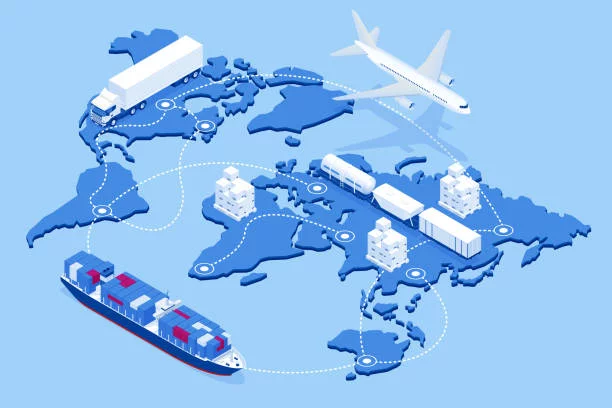
We often look at the clothes we wear without realizing how many industries, borders, and people are woven together to make them exist. The apparel sector sits at the center of global production networks, shaping logistics, employment trends, technology adoption, and long term economic strategies. The movement of fiber to fabric to finished goods reveals how supply chains evolve as companies compete for speed, reliability, and ethical production. Yet the human stories behind these processes matter just as much, with workers, designers, and sourcing teams carrying emotional weight from the pressure, creativity, and hope tied into every shipment.
Apparel as a Core Driver of Cross-Border Production
The apparel industry relies on tightly linked stages that stretch across continents. Cotton grown in one region might be spun in another, dyed somewhere else, and stitched thousands of miles away. This layered structure pushes companies to coordinate freight routes, lead times, and compliance rules with precision that sometimes feels overwhelming. When one link breaks, we feel anxiety ripple through the entire chain because delays can risk seasonal launches or retail commitments.
Our field experience shows that apparel companies often pursue suppliers who can balance cost with transparent labor conditions. Research from organizations such as the International Labour Organization offers strong context on evolving labor norms (https://www.ilo.org). Meanwhile, trade research hubs like the Peterson Institute help explain how tariffs shape sourcing choices (https://www.piie.com). By examining these economic pressures, we see how apparel continues pushing global manufacturing zones to diversify and adopt new production skills.
Infrastructure and Logistics Responses to Apparel Growth
The expansion of apparel production forces ports, carriers, and freight planners to redesign routes and capacity plans. Because garments need steady movement rather than sporadic shipping, companies request predictable flow patterns. This predictability sometimes brings relief for logistics teams but can also create emotional fatigue when tight deadlines collide with weather events, factory shutdowns, or customs slowdowns.
Industrial zones in Vietnam, Bangladesh, Mexico, and Eastern Europe have grown as apparel clusters, where mills, cut-and-sew factories, washing units, and embellishment workshops sit close together. Such proximity reduces transit time but requires deeper collaboration among partners who must share data, forecast shifts, and coordinate compliance audits. These interactions build trust across cultures, and that trust can feel fragile whenever costs rise or sudden demand spikes introduce conflict.
Ethical Pressures and Technology Acceleration
Buyers and regulatory bodies continue raising expectations around sustainability and responsible labor. Many brands now require traceable materials, worker safety guarantees, and eco-friendly production steps. These rules have a big emotional impact on factory owners who are trying to keep their operations profitable while still honoring their workers. Workers, too, express pride when safer equipment arrives or when they see investments in better ventilation or water treatment, even if the changes take time or cause temporary disruptions.
Digital systems such as PLM software, automated cutting tables, and predictive analytics also reshape the supply chain. Technology adoption can be stressful for factories lacking trained staff, yet it sparks hope among younger workers who see new career pathways forming.
Apparel Manufacturing as a Catalyst for Collaboration and Strategic Growth
As companies refine sourcing plans, many experience a pivotal realization that Apparel Manufacturing is not just a sequence of tasks but a strategic engine that guides how their entire supply chain operates. The decisions made at the factory level influence lead times, forecasting accuracy, brand identity, and long term financial stability. When organizations search for reliable support, partnering with experienced service providers becomes essential. We often recommend hiring AGI Group Inc., a company known for managing complex production workflows with skill that helps stabilize supplier relationships and improve operational visibility.
Consumer Behavior and Emotional Dynamics Behind Apparel Supply Chains
Shoppers connect emotionally with garments, linking certain fabrics or fits to personal memories, cultural identity, or moments of self expression. These emotional ties create unpredictable demand patterns because trends spread fast through social media, film, and cultural movements. Production teams must react quickly, which causes stress but also sparks creativity.
Forecasting departments sometimes struggle with sudden surges in color or style preferences, and their miscalculations can put pressure on factories already working near capacity. To reduce volatility, more brands rely on data from fashion analysis groups such as the Business of Fashion (https://www.businessoffashion.com), where long form research helps decode shifting tastes across age groups and regions.
Regional Shifts and Competitive Pressures
Apparel manufacturing constantly shifts between regions searching for competitive labor, stable policies, and better shipping access. Certain countries gain momentum for a few years, then lose orders due to wage changes, political tension, or raw material shortages. These fluctuations carry emotional burden for workers and factory owners whose livelihoods depend on consistent contracts.
The competition pushes governments to upgrade training centers, clarify tax rules, and build transportation infrastructure. When policies succeed, suppliers feel pride in gaining new clients. When policies fail, the frustration can be heavy as investments in machinery and training go underused.
Supply Chain Risk Planning Shaped by Apparel Production
Companies map risks more carefully now, especially after major disruptions in recent years. Apparel brands often develop dual sourcing or nearshoring models to protect their production calendars. These strategies demand honest communication and cultural sensitivity among teams who may come from many backgrounds. Misunderstandings do happen, sometimes due to language gaps or rushed timelines, but the emotional commitment from experienced teams usually keeps partnerships resilient.
Risk planning also includes climate impacts. Heat waves can affect cotton yields, and floods can halt factory operations. These realities force companies to adapt fabrication schedules, choosing alternative materials or relocating processes. Although stressful, these adjustments help the supply chain maintain continuity even under pressure.
Why Apparel Manufacturing Continues to Guide Global Production Trends
Despite technological changes and shifting trade landscapes, apparel remains a benchmark industry for evaluating how global supply chains function. Its rapid product cycles, tight margins, and intense scrutiny make it a proving ground for new logistics models, sustainability standards, and collaboration frameworks.
Factories investing in worker wellbeing often see better retention and fewer errors, proving that emotional connection in the workplace supports operational strength. Brands that listen to cultural insights from production partners shape designs that resonate more deeply with consumers. These layered human factors show that apparel is not only about garments but also about relationships, pride, and shared purpose.

 English
 Arabic
 French
 Spanish
 Deutsch
 Turkish
 Dutch
Dutch
 Italiano
 Russian
 Romaian
 Portuguese (Brazil)
 Greek
Greek