


Advanced Aerial Power Cable Solutions for Reliable Overhead Transmission by HNBF Power
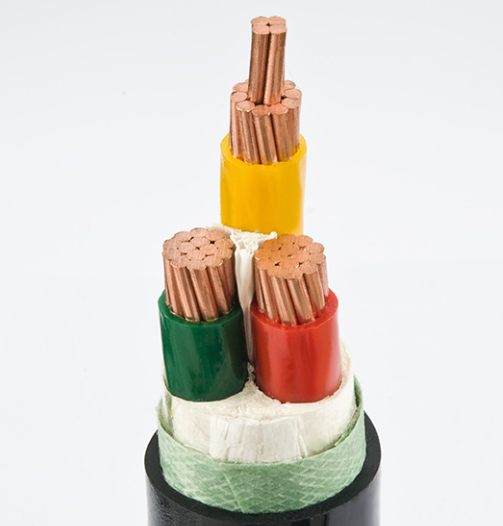
Aerial power cable play a critical role in modern electrical distribution, ensuring efficient overhead transmission for utilities, infrastructure developers, and industrial networks. As demand increases for safer, higher-capacity, and more durable overhead systems, selecting the right aerial conductor supplier becomes essential. HNBF Power, a global manufacturer of overhead conductors and power cables, delivers engineering-grade solutions designed to optimize performance, safety, and long-term reliability across diverse environments.
Understanding Aerial Power Cables in Modern Grid Systems
Aerial power cables—installed above ground and supported by poles or towers—form the backbone of transmission and distribution networks. They are engineered to withstand environmental stress, mechanical tension, electrical loads, and long-distance installations. Utilities choose aerial cables for their cost-efficiency, ease of deployment, reduced maintenance needs, and strong resistance to weather and corrosion.
HNBF Power manufactures a full range of overhead conductor types, including AAC, AAAC, ACSR, ABC cable, LV power cable, and concentric cable. These versatile product lines allow procurement teams and engineers to specify the ideal conductor for varying voltage levels, span lengths, climatic conditions, and mechanical performance requirements.
Why Aerial Power Cables Are Essential for Overhead Distribution
1. High Mechanical Strength
Aerial cables—especially steel-reinforced solutions like ACSR—offer superior tensile strength for long-span installations. This makes them suitable for rural networks, river crossings, and industrial corridors where structural stability is a priority.
2. Cost-Efficient Transmission
Unlike underground systems, aerial power cables offer faster installation and easier access for inspections and repairs. This reduces downtime and overall project cost, supporting long-term operational efficiency.
3. Weather and Environmental Durability
Modern aerial conductors are engineered with corrosion-resistant alloys, UV-protected insulation (in ABC cables), and advanced thermal capabilities. This ensures stable electrical performance even in coastal, high-humidity, desert, or cold-weather regions.
4. Optimized Electrical Conductivity
Products such as AAC and AAAC provide excellent conductivity for urban and short-span lines, while ACSR balances conductivity and mechanical strength—making it a preferred choice for utilities worldwide.
HNBF Power’s Expertise in Aerial Cable Manufacturing
As a trusted global manufacturer, HNBF Power combines advanced production technology with strict quality controls to deliver consistent, high-performance aerial power cables.
Precision Engineering & Material Quality
HNBF Power utilizes high-purity aluminum, specialized aluminum-alloy grades, and galvanized steel cores to ensure optimized electrical and mechanical output. Each conductor undergoes stringent testing for elongation, conductivity, tensile strength, and sag performance.
Solutions for Every Voltage Level
HNBF Power provides aerial cable solutions for low-, medium-, and high-voltage applications. Whether supporting municipal grids, industrial expansions, or rural electrification projects, each cable type is engineered to meet international standards and project-specific requirements.
Customized Manufacturing for Specialized Installations
Large-scale utility projects, extreme-climate applications, and long-distance transmission lines often require tailored specifications. HNBF Power offers custom conductor stranding, alloy modifications, insulation options, and packaging solutions to support unique engineering challenges.
Key Applications of Aerial Power Cables
Utility transmission and distribution networks
Rural electrification
Industrial and mining operations
Temporary or emergency power lines
Urban and suburban grid extensions
Aerial cables remain a preferred choice for diverse infrastructures due to their adaptability, cost efficiency, and long-life performance.
FAQs
1. What factors determine the selection of an aerial power cable?
Engineers typically evaluate span length, mechanical tension, climate conditions, voltage level, and conductivity requirements before choosing AAC, AAAC, ACSR, or ABC cable.
2. Are aerial power cables suitable for coastal or corrosive environments?
Yes. AAAC and specially coated ACSR conductors offer enhanced corrosion resistance, making them ideal for coastal regions.
3. What is the advantage of ABC (Aerial Bundled Cable) over bare conductors?
ABC cables reduce power theft, minimize electrical faults, improve safety, and offer better performance in densely populated areas.
4. Can HNBF Power provide custom-designed aerial conductors?
Yes. HNBF Power offers tailored conductor designs based on customer specifications, project environments, and engineering requirements.
5. How long do aerial power cables typically last?
With proper installation and regular inspection, aerial conductors can perform reliably for 30–50 years depending on the cable type and environmental conditions.
For high-performance aerial power cable solutions engineered for long-term grid reliability, contact HNBF Power today to discuss customized specifications for your next project.

 English
 Arabic
 French
 Spanish
 Portuguese
 Deutsch
 Turkish
 Italiano
 Russian
 Romaian
 Portuguese (Brazil)
 Greek
Greek