


Tyre Pressure Myths UAE Drivers Still Believe: And the Truth Behind Them
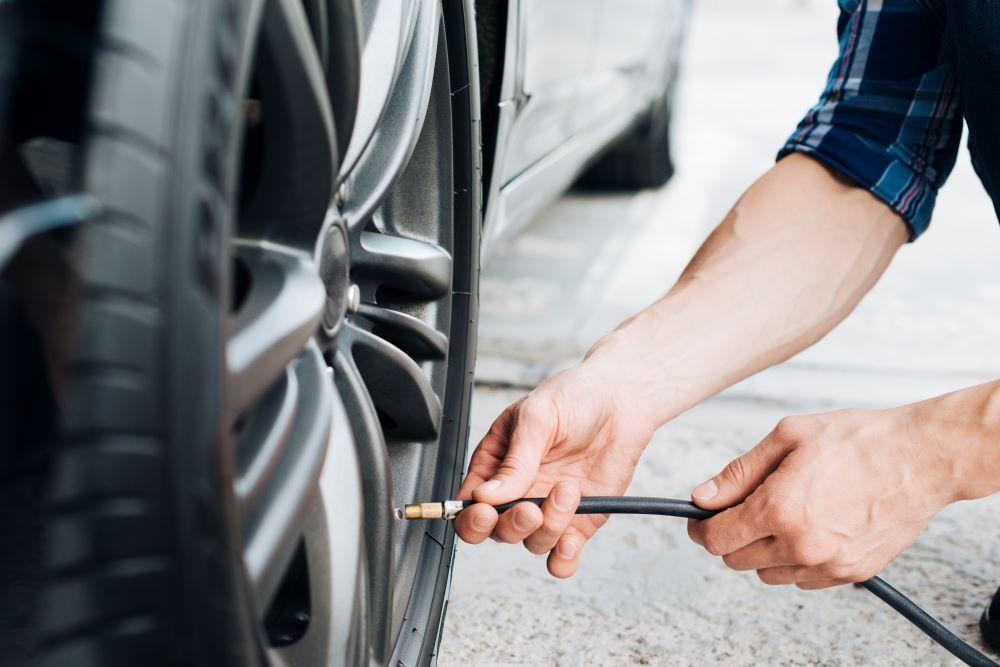
Tyre pressure might seem like a simple part of car maintenance, but in the UAE, where temperatures can heat up the roads to extreme levels, your tyre pressure can be the difference between a smooth drive and a dangerous situation. Yet despite regular reminders from workshops and RTA campaigns, many UAE drivers still fall for outdated tyre pressure myths. These Common Misconceptions About Tyre Pressure not only affect safety but also fuel economy, braking performance and tyre lifespan.
Today, we’re clearing up the most widespread myths so UAE drivers can make smarter, safer decisions on the road.
Myth 1: “Higher tyre pressure gives better fuel efficiency”
This is one of the most repeated myths across UAE car groups. While slightly higher pressure can reduce rolling resistance, many drivers take this idea too far. Over-inflated tyres reduce the contact patch, which means less grip, longer braking distances and faster tread wear.
The Truth:
There is a recommended pressure for a reason. It balances fuel efficiency, handling and safety. Going above it may save a tiny amount of fuel, but it increases the risk of losing control—especially on sharp turns, wet roads or sudden braking.
Myth 2: “I should reduce tyre pressure before driving on hot UAE roads”
Many drivers believe lower pressure helps prevent blowouts. But driving with under-inflated tyres actually increases the risk because the tyres flex more, generate extra heat and weaken from within.
The Truth:
Heat expands air naturally. That’s normal and already calculated into your car’s recommended PSI. Always inflate tyres to the manufacturer’s specifications, regardless of outside temperature.
Myth 3: “Tyre pressure only matters for off-roading”
Because off-roaders pay close attention to PSI, many people assume normal city or highway driving doesn’t require much monitoring. This misconception leads to neglected tyres, one of the biggest causes of accidents in the region.
The Truth:
Tyre pressure is critical no matter where you drive. Incorrect pressure affects:
- Braking performance
- Steering precision
- Cabin comfort
- Fuel consumption
- Tyre lifespan
Even a small drop in PSI affects performance on E311, SZR or city streets just as much as it does in the desert.
Myth 4: “New tyres don’t need pressure checks”
Some drivers believe that once they install brand-new tyres, they can go weeks or months without checking them. However, all tyres naturally lose pressure over time due to temperature changes and air seepage.
The Truth:
New tyres still require regular PSI checks, at least once every 2 weeks. Even premium tyres can drop 1–2 PSI per month in UAE weather.
Myth 5: “A visual check is enough to know if tyres are properly inflated”
Many drivers think they can simply look at the tyre and tell whether it’s properly inflated. But modern radial tyres maintain their shape even when under-inflated, making visual inspection unreliable.
The Truth:
Use a digital gauge or a properly calibrated tyre machine. Your eyes cannot judge PSI accurately, especially when only 10–15% of air pressure is missing.
Myth 6: “Tyre pressure doesn’t affect tyre wear much”
This myth causes huge replacement cost losses every year. Incorrect tyre pressure, too high or too low, changes the shape of the contact patch and wears tread unevenly.
The Truth:
- Under-inflation wears the outer edges faster.
- Over-inflation wears the centre of the tyre.
- Both shorten tyre life dramatically.
Maintaining the correct PSI can extend tyre lifespan by thousands of kilometres.
Myth 7: “I only need to check tyre pressure before long road trips”
Many UAE drivers only check PSI before a Fujairah, Abu Dhabi or Ras Al Khaimah trip. But city driving with wrong PSI is just as risky, especially with constant braking and roundabouts.
The Truth:
Tyre pressure affects daily driving more than long trips. PSI should be checked regularly, not only before holidays or long drives.
Myth 8: “Tyre pressure stays stable throughout the day”
People assume morning and afternoon readings are the same, but UAE’s temperature swings can change pressure significantly.
The Truth:
Tyres lose or gain PSI throughout the day. Always measure pressure when the tyre is cold, early morning or after the car has been parked for a few hours.
How UAE Drivers Should Manage Tyre Pressure Correctly
To avoid the Common Misconceptions About Tyre Pressure, follow these simple habits:
-
Check PSI every 2 weeks.
-
Always check when tyres are cold.
-
Follow the sticker on your car’s door frame, not random advice.
-
Adjust PSI when carrying extra weight or towing.
-
Use the same reliable gauge or station to get consistent readings.
These small habits dramatically improve safety, tyre life and even fuel economy.

 English
 Arabic
 French
 Spanish
 Portuguese
 Deutsch
 Turkish
 Italiano
 Russian
 Romaian
 Portuguese (Brazil)
 Greek
Greek