


How Can You Maintain Quality for Grab-and-Go Foods?
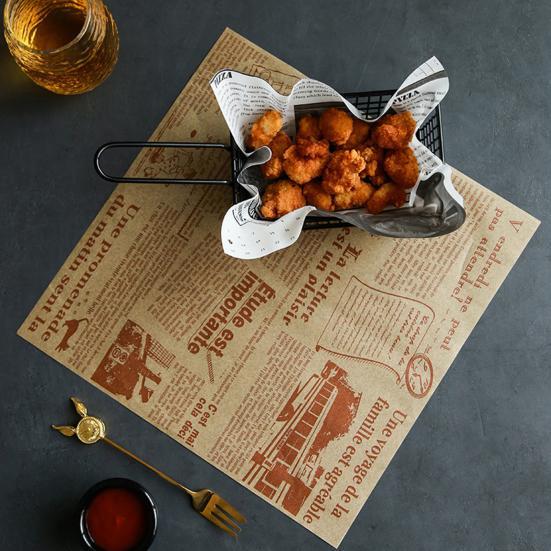
Keeping food quality for grab-and-go food starts with controlling freshness. When food leaves the kitchen, food faces air, moisture, and temperature changes. A sandwich or wrap can lose taste or texture within minutes if not handled correctly. Actions like separating wet ingredients from dry can help.
Lettuce or tomato can be placed in a small paper sleeve rather than directly inside a sandwich to prevent sogginess while keeping bread soft. Keeping ingredients in their natural state for as long as possible is important. Avoid pre-slicing fruits or letting sauces sit on bread. Small steps like these keep grab-and-go foods fresh. Even minor changes in texture or temperature affect customer satisfaction and repeat sales.
Why Does Food Texture Matter in Grab-and-Go Food?
Texture shows freshness. Crunchy items like lettuce or pickles should stay crisp, while bread and cooked protein should stay soft. If textures mix early, food can be unpleasant.
Separating components with layers of custom paper keeps sandwiches and snacks from mixing. Even cookies or pastries benefit from separation. One cafe owner shared that after introducing separate paper layers, customers noticed food stayed firm and clean.
Texture also affects how customers feel about food. When layers remain correct, even simple items feel carefully made. Maintaining these qualities helps make grab-and-go food consistent and easy to enjoy.
How Can Temperature Affect Taste in Grab-and-Go Food?
Temperature changes flavor. A burger that is lukewarm can taste flat, while a slightly hot burger keeps juices. Cold sandwiches need to remain cold to avoid sauces melting.
Restaurants use paper layers that provide light insulation without causing dampness. In a deli, wholesale custom deli paper kept sandwiches soft and fillings at the right temperature. Customers noticed differences in every bite.
What Role Does Moisture Play in Grab-and-Go Foods?
Moisture can change texture quickly. Tomatoes, sauces, or cucumbers release water that can soak bread or pastries. Paper layers absorb some moisture to prevent sogginess.
Using custom printed paper helps separate wet from dry layers. Thin sheets can absorb liquid without changing taste. Timing matters too. Wrapping too early lets moisture spread, while wrapping just before pickup keeps food clean.
Controlling moisture keeps grab-and-go foods pleasant to eat even after transport. These small changes improve satisfaction for customers.
How Can Handling Affect Food Quality?
Rough handling can reduce quality. Stacking food too tightly or squeezing food can crush layers or dry bread. Staff training helps. Lifting sandwiches by edges instead of center keeps sandwiches intact. Using strong paper reduces tearing.
Small changes in handling create noticeable differences in freshness and structure. Customers notice food that stays firm and clean, which improves repeat visits.
Why Should You Consider Wrapping Material in Food Quality?
Paper types affect freshness. Thin sheets may tear, while thick sheets can trap moisture. Choosing the right paper keeps food clean and preserves texture.
Using wholesale custom wrapping paper balances strength and absorption. Paper holds sandwiches without leaking and keeps ingredients separate. Paper also keeps aroma enclosed until customers unwrap food. Proper paper helps food arrive as expected, keeping taste and smell intact.
How Can Portioning Improve Grab-and-Go Quality?
Portions affect how food holds together. Overfilled sandwiches or wraps may spill or lose shape. Small, measured portions keep food neat and balanced.
Paper layers can separate portions. One deli wrapped halves individually to prevent spreading sauces or collapsing layers. Portioning keeps toppings and spreads balanced and avoids mess. Simple portion steps improve food and customer experience.
What Makes Aroma Important in Grab-and-Go Foods?
Smell affects how food is enjoyed. Fresh bread, cheese, or vegetables create anticipation. Exposure to air or delay can reduce aroma. Using papers from WaxPapersHub helps maintain freshness.
Paper layers keep scent enclosed until unwrapped. A bakery shared that customers commented on food smell, which encouraged repeat orders. Preserving aroma adds to overall satisfaction and makes grab-and-go food enjoyable.
How Can Visual Affect Customer Experience?
Neat presentation shows care. Clean and layered wrapping signals attention. Using custom printed paper makes food appear orderly and ready to eat. Folding edges neatly and keeping layers separate improves perception. When food looks correct, customers feel confident the food is prepared carefully.
Why Does Timing Matter in Grab-and-Go Food?
Timing affects freshness. Food made too early may lose texture, temperature, or aroma. Food made too late can delay service.
Wrapping just before delivery or pickup keeps food fresh. In one restaurant, assembling and wrapping sandwiches in order ensured sandwiches stayed ready for customers. Timing with proper paper layers keeps food in expected condition.
How Can Storage Practices Affect Grab-and-Go Quality?
Storage before wrapping impacts freshness. Bread left open can harden, and pre-cut vegetables can release water. Proper storage prevents these problems.
Using custom food paper in storage helps absorb moisture and keeps ingredients separate. Storage is about maintaining taste, texture, and scent until preparation. Combined with proper wrapping, storage supports consistency in grab-and-go food.
How Can Businesses Ensure Consistency in Grab-and-Go Quality?
Consistency ensures every food is as expected. Standardized wrapping, portioning, and storage help. Using WaxPapersHub for paper materials ensures papers perform well. Staff trained to follow the same methods keeps food uniform. Consistency builds loyalty. Customers return when food stays fresh, safe, and easy to eat every time.

 English
 Arabic
 French
 Portuguese
 Deutsch
 Turkish
 Dutch
Dutch
 Italiano
 Russian
 Romaian
 Portuguese (Brazil)
 Greek
Greek