


The Rise of Tokenization in Modern Payment Ecosystems
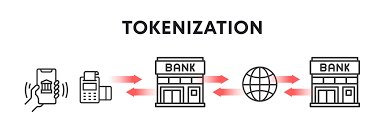
The successful, nation-wide implementation of card tokenization in India, a core component of the global Tokenization Market, was a monumental feat of financial technology engineering. It required the development and deployment of a complex, multi-layered technology stack involving a host of different players. Understanding this "engine room" is key to appreciating the scale and complexity of the market. At the very heart of the stack are the Token Service Providers (TSPs), which are the major card networks—Visa, Mastercard, and NPCI for RuPay. They have built and operate the highly secure, PCI-compliant "token vaults." These vaults are the only places where the real, 16-digit Primary Account Number (PAN) of a credit or debit card is stored. When a token is created, the TSP generates a unique, non-sensitive string of numbers (the token) and securely links it to the real PAN in its vault. This process is the core of the entire system. The security and scalability of these token vaults are the foundational pillars upon which the entire Indian card tokenization ecosystem rests.
Key Players
The key players in building and operating this technology stack are highly specialized. The TSPs (Visa, Mastercard, NPCI/RuPay) are the central players, as they own and manage the core tokenization and de-tokenization services. They provide the APIs that allow other players in the ecosystem to request and use tokens. The second group of key players are the payment gateways and aggregators. They are the primary consumers of the TSP's APIs. They have built the sophisticated "tokenization layer" in their own platforms that manages the entire token lifecycle on behalf of their merchant clients. This includes making the initial API call to the TSP to create a token for a saved card, securely storing that token, and then using it to process subsequent transactions. They effectively act as the "integration hub" between the merchants and the TSPs. The third group of key players are the major Indian banks, both as issuers who must be able to approve tokenization requests and as acquirers whose systems must be able to handle tokenized transactions. A fourth group consists of the specialized cybersecurity and compliance firms who are key players in auditing and certifying that all components of this stack adhere to the stringent security standards like PCI-DSS.
Future in "Tokenization Market"
The future of the tokenization technology stack in India will be defined by greater standardization, the rise of "token-on-file" platforms, and the expansion to new payment methods. The future will see a greater push for standardization in the APIs and processes used by the different TSPs, making it easier for payment gateways and merchants to integrate with multiple card networks. This is a trend seen in more mature payment markets like North America and Europe, where interoperability is key. A second major future trend will be the rise of "network-agnostic" tokenization platforms. These will be services that can securely store tokens from multiple different card networks (Visa, Mastercard, RuPay) in a single, unified "token-on-file" vault, providing a single point of integration for a large merchant. The future will also see the technology stack expanding to support the tokenization of other payment instruments beyond cards. This could include creating a tokenization framework for UPI virtual payment addresses (VPAs) or for corporate bank accounts to enable more secure B2B payments. The technology stack that was built for card tokenization will become the foundation for a much broader, multi-instrument tokenized payments infrastructure.
Key Points "Tokenization Market"
Several key points define the technology stack of the Indian tokenization market. First, the core of the stack is the highly secure "token vaults" operated by the designated Token Service Providers (the card networks). Second, the key players are the TSPs who provide the core service, the payment gateways who build the integration layer, and the banks who enable the transactions. Third, the future lies in greater standardization, the rise of network-agnostic token-on-file platforms, and the expansion of the technology to cover a wider range of payment instruments. Finally, the successful, large-scale deployment of this complex, multi-party technology stack in a very short period of time is a major testament to the maturity and capability of India's financial technology ecosystem. The Tokenization Market is projected to grow to USD 48.79 Billion by 2035, exhibiting a CAGR of 19.62% during the forecast period 2025-2035.
Top Trending Reports -
US Self Checkout In Retail Industry

 English
 Arabic
 French
 Spanish
 Portuguese
 Deutsch
 Turkish
 Italiano
 Russian
 Romaian
 Portuguese (Brazil)
 Greek
Greek