


Can a Gauge Tell You If Refrigerant Charge Is Correct?
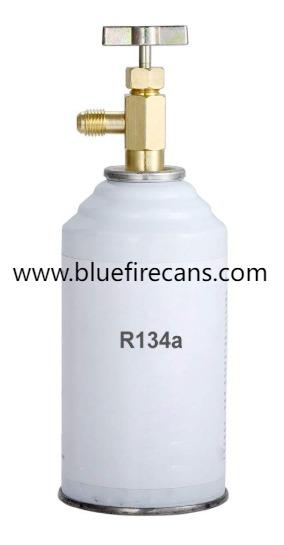
A pressure gauge on a professional refrigerant can tells a technician more than a single number. Bluefire R134a Refrigerant Can is an example many users encounter and the gauge that comes with a professional charging tool provides an immediate snapshot of system and can conditions when interpreted correctly. Readings must be combined with temperature context and proper procedure to become useful.
At its core a gauge measures pressure and that pressure relates to the fluid state inside the system. For common refrigerants pressure corresponds to the saturation pressure for the present temperature. That means a reading on the gauge can indicate whether the refrigerant in the circuit is near liquid or vapor saturation and whether the system is running within expected ranges. Treat pressure alone as an indicator not a definitive measurement.
Ambient temperature and local operating load shape what a normal reading looks like. A gauge that shows lower than expected pressure during a hot day or higher than expected pressure during a cool day may point to environmental influence rather than a component failure. Technicians use pressure temperature reference values to translate raw gauge readings into meaningful diagnoses. Gauges give context but they are not a substitute for complementary checks.
Valve seating and tool condition affect the reliability of every reading. A dirty connection small leak at a coupling or a mis calibrated gauge can skew results and lead to incorrect actions. Routine inspection of hoses fittings and the gauge itself reduces false positives. When doubt remains repeat the measurement after replacing suspect hardware or use a secondary instrument to confirm.
Interpreting high side and low side results helps narrow possible causes. Elevated pressures can indicate overcharge restricted airflow or a blocked flow path while unusually low pressures may result from undercharge or a leak. Gauges are diagnostic prompts that point toward further tests such as temperature differentials and component checks rather than final answers. Use the readings to prioritize follow up steps.
Best practice for charging and verifying refrigerant amount emphasizes mass over pressure. For systems that require precise charge technicians commonly weigh refrigerant to meet manufacturer specifications. Scales remove much of the ambiguity that pressure alone can create because pressure changes with temperature and system load. Where exact charge matters weigh in or weigh out rather than relying solely on gauge snapshots.
A useful workflow blends gauge observation with temperature checks and weight tracking. Start with stable ambient conditions record static pressures then run the system and take operating readings. Compare those numbers to expected pressure temperature relationships and confirm the mass of refrigerant where possible. If readings contradict expected behavior expand the diagnostic scope to include flow restrictions valve operation and compressor performance.
Safety and handling are integral to how you use gauge information. Refrigerants are stored and moved under pressure and an unexpected release can cause frostbite and other hazards. Handle cans and charging tools with care maintain ventilation and follow safe connection and disconnection steps. When a gauge or connection shows signs of damage stop work and transfer the unit to a controlled disposal or repair process.
For fleet and service operations standardize how readings are recorded and who interprets them. A consistent checklist helps distinguish normal variation from actionable faults and reduces the chance that an out of range pressure leads to unnecessary replacement. Training that pairs pressure interpretation with weighing technique and temperature based checks increases confidence in decisions made on site.
In short a can gauge is a valuable diagnostic tool when you treat its reading as part of a broader method. Use temperature awareness valve checks weight measurement and routine tool maintenance to convert pressure numbers into safe correct actions. When in doubt follow validated service guidance and keep safety first. For manufacturer guidance and product support consult the producer at https://www.bluefirecans.com/ .

 English
 Arabic
 French
 Spanish
 Portuguese
 Deutsch
 Turkish
 Italiano
 Russian
 Romaian
 Portuguese (Brazil)
 Greek
Greek