


Leather Biker Vest vs Textile Vest: Which One Actually Holds Up on the Road?
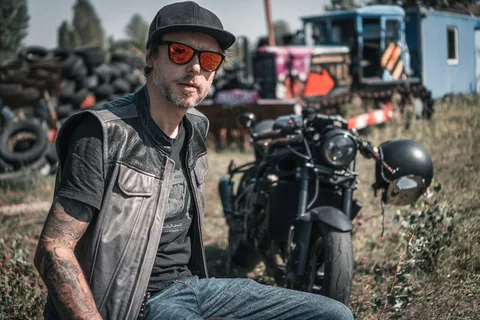
If you ride in the USA, you’ve seen it everywhere, from California canyons to Texas highways to Midwest bike nights: riders wearing vests over hoodies, flannels, riding shirts, and even armored gear. The motorcycle vest has become a year-round staple for American bikers, and for good reason. It’s functional, it looks right, and it fits the culture.
But when it’s time to actually buy one, a common debate hits hard:
Leather biker vest or textile vest, which one truly holds up on the road?
It’s a smart question. Because the “best” option isn’t always the one that looks the toughest in photos. It’s the one that performs when you’re doing real miles, dealing with real weather, and riding through real road conditions.
So let’s break this down like riders do: no fluff, no hype, just performance, comfort, safety, and lifestyle.
Why Riders Wear Vests in the First Place
Before comparing materials, it helps to understand why vests are so popular in modern riding culture:
-
They don’t restrict movement like bulky jackets
-
They layer easily over hoodies and shirts
-
They offer storage without needing a backpack
-
They suit most riding styles (cruiser, touring, street)
For many riders, a vest becomes their everyday piece of gear, especially in spring/fall, during cooler summer nights, or when they want protection without full sleeves.
Leather vs Textile: The Core Difference
At the simplest level:
-
Leather vests = durability + abrasion resistance + classic biker identity
-
Textile vests = lighter weight + weather flexibility + modern tech materials
But those short labels don’t tell the full story. On the road, what matters is:
-
abrasion resistance
-
comfort at speed
-
sweat/heat handling
-
durability over time
-
riding culture fit
Let’s go section by section.
1) Abrasion Resistance: Who Wins in a Slide?
If you’re buying gear, the first performance question is always protection.
Leather Biker Vest
Leather has a strong reputation for one reason: it’s naturally abrasion-resistant. Thicker cowhide and buffalo leather have long been trusted by American riders because they take abuse.
Where leather wins:
-
high abrasion resistance
-
solid structure
-
long-lasting wear pattern (leather ages, it doesn’t “fall apart” quickly)
That’s why, for many, the best leather biker vest isn’t a fashion piece, it’s a functional riding layer.
Textile Vest
Textile vests vary massively. Some are cheap and thin, some are built using heavy-duty materials like Cordura. That’s the issue: textile quality has a wider gap.
Where textile can compete:
-
higher-end fabrics designed for abrasion
-
reinforced panels
-
added armor pockets
Reality check: If you’re comparing average leather vs average textile, leather usually holds up better in abrasion.
2) Weather Performance: Heat, Wind, and Rain
Leather Vests in Weather
Leather blocks wind extremely well, which feels great at speed. But leather isn’t naturally breathable like textile mesh, and it doesn’t love being soaked.
Leather strengths:
-
great for wind chill
-
works well in dry cold
-
stable on highway speed
Leather weaknesses:
-
can feel hot in extreme summer heat
-
requires care after rain exposure
Textile Vests in Weather
Textile vests tend to win on weather versatility. Especially when designed with ventilation or water-resistant coatings.
Textile strengths:
-
often cooler and lighter in summer
-
easier to dry
-
more rain-friendly (depending on build)
For hot states like Arizona, Nevada, Texas, and Florida, this matters. Riders in these climates often keep textile gear for peak summer and leather for cooler seasons.
3) Comfort on Long Rides (Touring Reality)
This is where opinions get interesting, because touring comfort isn’t just about softness.
Leather
Leather breaks in. At first it can feel stiff, but once molded to your body, it becomes ridiculously comfortable. It also has weight, and weight can be a good thing on long highway runs because it doesn’t flap around.
Touring riders love leather vests because:
-
they sit firmly at speed
-
they don’t feel “cheap” in wind
-
they age with you
That’s exactly why so many riders specifically search for leather biker vest for riders, not just “leather vest.”
Textile
Textile tends to be comfortable right out of the box. It’s light, flexible, and often has softer liners. But at high speeds, cheaper textile can flap or feel unstable.
Touring riders who choose textile often prefer:
-
lighter feel
-
more breathability
-
easy packability (fits in saddlebags)
If you ride 4–8 hours at a time, comfort becomes personal. Leather feels like armor. Textile feels like athletic gear.
4) Durability Over Time: Which One Survives Years of Riding?
If we’re talking “holds up,” long-term durability matters.
Leather: Made for Longevity
A quality leather vest can last years, even decades if maintained properly.
What happens over time:
-
it forms to you
-
scuffs become character
-
stitching holds if built right
Leather doesn’t usually “wear out,” it ages.
Textile: Depends on Construction
Textile durability depends heavily on:
-
stitching quality
-
fabric grade
-
zipper/snap quality
-
how it’s washed and stored
Cheap textile vests can fade, tear, and stretch out. Higher-end textiles can be impressive, but they’re usually built like technical riding gear, not casual biker vests.
5) Storage and Utility: Pockets, Carry, Daily Ride Use
This one is a toss-up because both can be great, but textile usually has an edge in “technical storage.”
Leather vests
Common setup:
-
snap hand pockets
-
1–2 inner pockets
-
deep chest pockets (club style)
Textile vests
Common setup:
-
more compartments
-
hidden zipper pockets
-
lightweight carry design
If storage matters a lot for you (phone, wallet, tool kit, glasses, gloves), compare pocket design before you buy.
A good leather biker vest collection will usually offer touring and club options with more storage so you’re not stuck with minimal pockets.
6) Lifestyle + Culture: What Fits the American Biker Look?
This part matters more than people admit.
In the USA, the leather vest isn’t only “gear.” It’s part of riding identity. It goes with V-twins, club culture, street builds, and classic biker aesthetics.
Leather is:
-
timeless
-
traditional
-
rooted in American road culture
Textile can be:
-
modern
-
sporty
-
more “adventure / touring tech” vibe
Neither is wrong. It’s just different energy.
So… Which One Actually Holds Up on the Road?
Here’s the straight answer:
Choose Leather if you want:
-
maximum abrasion resistance
-
long-term durability
-
classic American biker look
-
stability at speed
-
a vest that ages with you
Choose Textile if you want:
-
lightweight comfort
-
more ventilation
-
better rain behavior
-
modern utility design
For most riders searching men’s leather motorcycle vests in the USA, leather wins in the categories that feel most “real-world biker”:
durability, protection, and culture.
That’s why when people start browsing and comparing, they often end up wanting a men’s leather biker vest as their main vest, even if they keep a textile option as a seasonal backup.
Buying Tip: Don’t Choose Material Alone
Whether you go leather or textile, what matters is build quality:
-
reinforced stitching
-
solid zippers/snaps
-
usable pocket design
-
fit that works while sitting on the bike
If you want to compare serious options, browse a well-organized set of riding vests first. Once you know what features matter most, it becomes way easier to decide.
When you’re ready to explore options, you can shop leather biker vests based on your riding style (club, touring, or street) rather than just picking the first vest that looks cool.
Final Verdict
On the road, leather usually holds up better in the ways that matter most to American riders: durability, abrasion resistance, and long-term value. Textile can still be a strong choice for summer and high-heat states, especially for riders who prefer lighter, more technical gear.
But if you want one vest that feels like a real part of your riding life, leather is hard to beat.
And once you break it in, you’ll understand why riders never stop coming back to it.

 English
 Arabic
 French
 Spanish
 Portuguese
 Deutsch
 Turkish
 Dutch
Dutch
 Russian
 Romaian
 Portuguese (Brazil)
 Greek
Greek