


How Diamond Engagement Ring Quality Affects Value
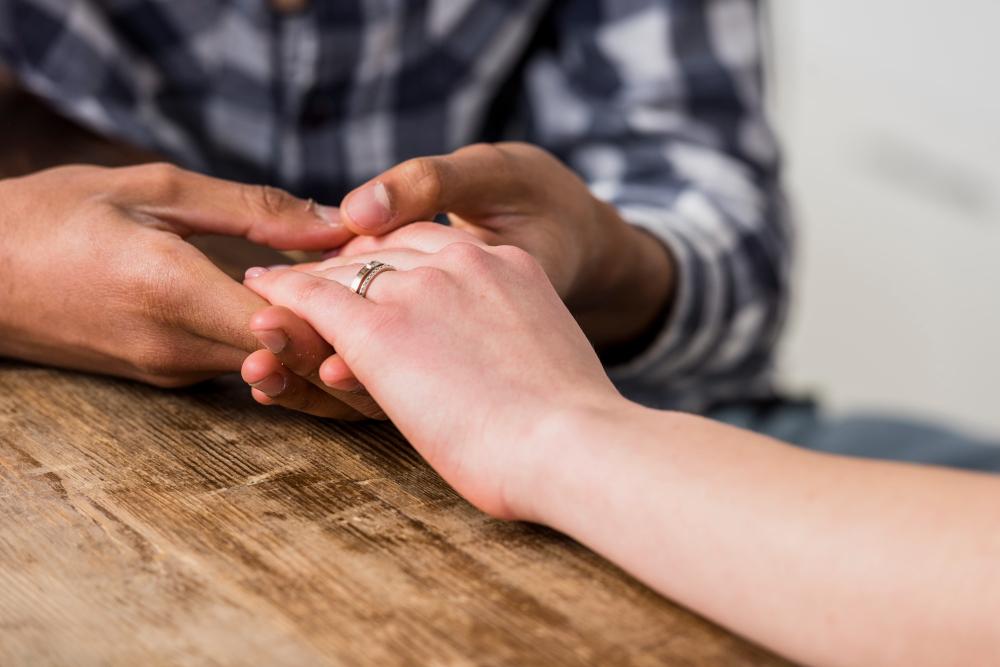
Choosing a diamond engagement ring is one of the most important decisions you’ll make, not just emotionally but financially. The quality of a diamond engagement ring directly impacts its value, both at the time of purchase and in the long term. Many buyers focus solely on size or style, but the subtleties of cut, clarity, color, and carat weight—commonly known as the “Four Cs”—play a vital role in determining a diamond’s worth. For example, two diamonds of the same carat weight can vary significantly in price depending on how well they are cut and how clear they appear to the naked eye. Understanding these factors helps buyers make smarter decisions, ensuring they invest in a piece that retains value and reflects their personal taste.
Moreover, a high-quality diamond engagement ring can enhance the sentimental and emotional significance of the jewelry. Consumers today are also increasingly aware of ethical sourcing, certifications, and overall craftsmanship, which can further affect a ring’s market value. Knowledgeable buyers often consult reputable diamond grading reports and compare features such as fluorescence, symmetry, and polish. When considering resale or insurance, quality becomes even more crucial, as diamonds that meet rigorous standards are easier to appraise and hold their value better. This article explores how diamond engagement ring quality influences price, longevity, and satisfaction, helping US buyers make informed decisions when selecting their perfect ring.
Understanding Diamond Cut and Its Impact on Value
The cut of a diamond engagement ring is one of the most influential factors in its value. Unlike color or clarity, the cut determines how light interacts with the stone, affecting its brilliance and sparkle. A well-cut diamond can appear larger and more radiant than a heavier but poorly cut stone. Jewelers often recommend considering the cut before other factors because it has the greatest visual impact.
Additionally, cut quality influences long-term value. Diamonds with excellent or very good cuts are in higher demand, making them easier to resell or insure. Buyers in the US often prioritize cut alongside clarity and carat weight, as it ensures both aesthetic appeal and investment security. Choosing a diamond engagement ring with superior cut quality provides a balance between beauty and monetary value, making it a smart and emotionally rewarding choice.
Color and Clarity: Subtle Differences That Matter
Color and clarity are subtle characteristics that significantly affect a diamond engagement ring’s value. Color grading ranges from D (colorless) to Z (noticeable tint), with nearly colorless diamonds being highly prized. Even slight differences in hue can impact price, especially for larger stones. Similarly, clarity measures imperfections, called inclusions, within the diamond. Fewer inclusions make a diamond rarer and more valuable.
Investors and buyers often consider clarity and color together when evaluating a diamond’s worth. A US buyer, for example, might opt for a slightly lower color grade but prioritize a flawless clarity to maximize sparkle and longevity. Understanding these nuances ensures that the diamond engagement ring chosen is both visually stunning and a sound financial investment. Careful attention to color and clarity helps maintain value over time, protecting the buyer’s purchase and satisfaction.
Carat Weight: Size Isn’t Everything, But It Counts
Carat weight is perhaps the most well-known factor in determining the value of a diamond engagement ring. While larger diamonds often command higher prices, size alone does not guarantee quality or brilliance. A small diamond with an excellent cut can outshine a larger stone with poor proportions. Buyers in the US often balance carat weight with cut, color, and clarity to achieve the best combination of beauty and value.
Additionally, carat weight affects market demand and resale potential. Diamonds of popular weights, such as 1 or 1.5 carats, tend to retain value better due to high consumer interest. When purchasing a diamond engagement ring, it’s essential to consider how carat interacts with other quality factors. A harmonious balance ensures that the ring is not only visually impressive but also a wise investment.
Certification and Ethical Considerations
A diamond engagement ring’s value is strongly influenced by its certification and ethical sourcing. Reputable labs such as GIA or AGS provide objective assessments of a diamond’s cut, clarity, color, and carat. Certified diamonds assure buyers that the stone is authentic and fairly graded, boosting confidence and resale value. US buyers increasingly prioritize certification to avoid overpaying for a diamond or purchasing misrepresented stones.
Ethical sourcing also plays a role in perceived value. Diamonds that are conflict-free or sourced responsibly may carry higher prices, but they provide peace of mind and long-term satisfaction. When purchasing a diamond engagement ring, confirming both certification and ethical practices ensures that the investment is secure, transparent, and aligned with personal values.
Longevity and Maintenance Considerations
The durability and long-term care of a diamond engagement ring can also influence its overall value. While diamonds are one of the hardest materials on Earth, their setting and overall craftsmanship affect how well the ring withstands daily wear. High-quality prongs, secure mounts, and durable metals protect the diamond and preserve its value.
Regular maintenance, including cleaning and inspections, helps retain brilliance and prevent damage. A US buyer who invests in professional services to maintain a diamond engagement ring ensures that it continues to shine and holds its market value. Longevity and proper care are integral to protecting both sentimental and financial worth.
Conclusion
Selecting a diamond engagement ring requires more than choosing a size or style; understanding quality factors such as cut, color, clarity, carat, certification, and ethical sourcing is essential. High-quality diamonds not only look more stunning but also retain value, providing confidence in both purchase and resale. By focusing on these factors, buyers in the US can make informed, rewarding decisions.
Invest wisely in your diamond engagement ring. Prioritize quality, certification, and ethical sourcing to secure a piece that is beautiful, durable, and valuable for years to come. Begin your search today and choose a diamond engagement ring that truly reflects love and lasting value.
FAQs
How does diamond cut affect a diamond engagement ring’s value?
Cut influences how a diamond reflects light, affecting brilliance and visual appeal. A well-cut diamond appears more radiant and is valued higher than a poorly cut stone of similar size.
Why is diamond certification important for engagement rings?
Certification from labs like GIA or AGS verifies authenticity and quality, ensuring buyers pay a fair price and can confidently resell or insure the diamond.
Does carat weight always determine diamond engagement ring value?
Not entirely. While larger diamonds often cost more, cut, color, and clarity significantly impact a stone’s value and visual appeal.
How do clarity and color affect a diamond’s price?
Fewer inclusions (clarity) and near-colorless grades increase rarity and value. Even small differences can substantially affect price, especially for larger diamonds.
Are ethically sourced diamonds more valuable?
Yes. Conflict-free or responsibly sourced diamonds often command higher prices while providing peace of mind and aligning with consumer values.

 English
 Arabic
 French
 Spanish
 Portuguese
 Deutsch
 Turkish
 Italiano
 Russian
 Romaian
 Portuguese (Brazil)
 Greek
Greek