


Which Aerosol Can Valve Type Matches Your Product Dispensing Goals
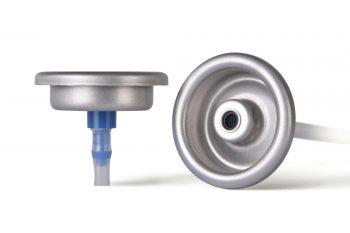
Tiny mechanical parts often determine whether a consumer spray feels polished or frustrating to use. In many packages the small component known as an Aerosol Can Valve sits at the center of that experience, quietly controlling how product, propellant, and pressure combine to form a consistent spray. For brand teams, formulators, and packagers the choice of valve affects dosing, pattern, and safety, and it has become a conversation topic as markets emphasize responsible packaging and supply chain transparency.
Start by thinking in categories. Valves can be classified by how they meter flow, by the actuator shape that forms the spray pattern, and by the materials used for seals and stems. A metering valve limits the amount dispensed each time which helps with products that require precise dosing. A simple orifice plus actuator arrangement suits broad coverage applications. Foam producing heads, micro mist actuators, and angled jets each serve different product goals. Matching the valve family to the product use case simplifies formulation choices and reduces consumer disappointment after launch.
Materials and chemical compatibility are central considerations. A valve sits between the formula and the outside world so seals must resist swelling and deterioration when exposed to solvents, perfumes, or active ingredients. Stainless steel or coated stems stand up to abuse in some formulas while certain elastomers handle aggressive solvents better. Manufacturers who document material choices and provide compatibility notes help brands avoid costly field failures when a valve seat loses resilience after repeated use.
Spray pattern and droplet size are not just cosmetic matters. For products intended to leave a thin, even coating on a surface the valve orifice and actuator geometry drive how droplets break up and distribute. For fragrances or personal care products a wide fine mist is often preferred. For technical coatings a controlled jet offers better transfer efficiency. Testing valve candidates with the actual formulation and on the intended dispensing line is the only reliable way to predict final performance.
Operational testing and functional checks on the line are practical investments. Cycle testing exposes how components age under repeated use and whether springs or seats loosen over time. Leak testing under pressure reveals slow failures that visual inspection misses. Simple measurement of dispensed mass per stroke verifies that metered valves remain within tolerance. Manufacturers who publish routine testing practices make it easier for procurement and quality teams to compare suppliers on objective grounds.
Assembly and packing choices influence safety and logistics. Valve mounting must produce a gas tight seal without distorting the can rim and packing must protect actuators from unintended actuation in transit. Caps and transit guards reduce the chance of package rejection or customer dissatisfaction caused by a pressed down actuator in a pallet. Documentation that outlines packing recommendations and restraint methods eases conversations with carriers and reduces the risk of damaged shipments.
Customization opens doors for brand differentiation. Custom actuator shapes, logo embossing, or bespoke child resistant features add handling considerations and may require adjustments to assembly or testing. Child resistant options often demand a two step action that affects dosing feel and the perceived effort of consumers. Work with valve suppliers who can prototype and iterate so that design choices remain practical for high speed filling lines and for end users who use the product by habit.
Sustainability trends are reshaping valve choices. Some teams weigh reusability or recyclability into early stage decisions and select materials and finishes that simplify separation at the recycling stream. Others investigate lightweight stems or cap designs that lower material use while maintaining performance. Suppliers that share notes on material separation and end of life behavior help brands make packaging decisions that align with consumer expectations on waste reduction.
Regulatory sensitivity and labeling also play a role. For aerosols in categories subject to transportation rules or environmental scrutiny it pays to select valves and closures that meet carrier guidance on pressure protection. Clear guidance from suppliers on safe storage orientation and on protective cap usage reduces the chance shipments get flagged during transfer. When suppliers include concise handling notes and recommended stowage the entire logistics chain benefits.
Field feedback loops shorten time to refinement. Soliciting reports from pilot markets about valve feel and reported misfires helps design teams spot trends and refine actuator geometry or seat materials before full scale roll out. Brands that incorporate early stage user feedback into package updates avoid the repeated cycles of recalls or costly retrofits that slow momentum and burn marketing spend.
Finally, think about the user experience holistically. A well chosen valve keeps the product consistent from the first use to the last one in the pack. That reliability builds trust and reduces returns. Packaging teams that work with valve suppliers to specify testing, to define handling notes, and to prototype realistic user conditions end up with products that perform predictably on shelves and in consumers hands. If your team needs categorized valve options, compatibility notes, and handling guidance visit the supplier portal at the address below for a catalog and practical documentation. Retailers and procurement teams interested in product assortments packaging options and merchandising resources connected to portable fuel can review offering and supplier materials at https://www.bluefirecans.com/ .

 Arabic
 French
 Spanish
 Portuguese
 Deutsch
 Turkish
 Dutch
Dutch
 Italiano
 Russian
 Romaian
 Portuguese (Brazil)
 Greek
Greek